
3.2.1 Prevalence and use of ETF
Enteral tube feeding (ETF) is a life-saving technique
Enteral tube feeding (ETF), sometimes referred to as enteral nutrition (EN), is a life-saving technique without which patients with a functioning gut, who are unable to consume sufficient food and drink via the oral route to meet their nutritional needs, would die due to dehydration and starvation.
It is commonly accepted that ETF is the preferred method of artificial nutrition support and for this reason is widely used in hospitals across many specialities and ages, if it is indicated and supported by ethical reasoning.1 The majority of ETF in this setting is relatively short-term, generally in response to an immediate need to meet nutritional requirements due to acute illness, surgery and/or medical treatment. However, many patients require longer term ETF due to the nature of their clinical condition. This, together with an emphasis on community care, means these patients are increasingly receiving ETF in different care settings e.g. at home or within a care home. ETF administered in the community is often referred to as home enteral tube feeding (HETF) or home enteral nutrition (HEN).
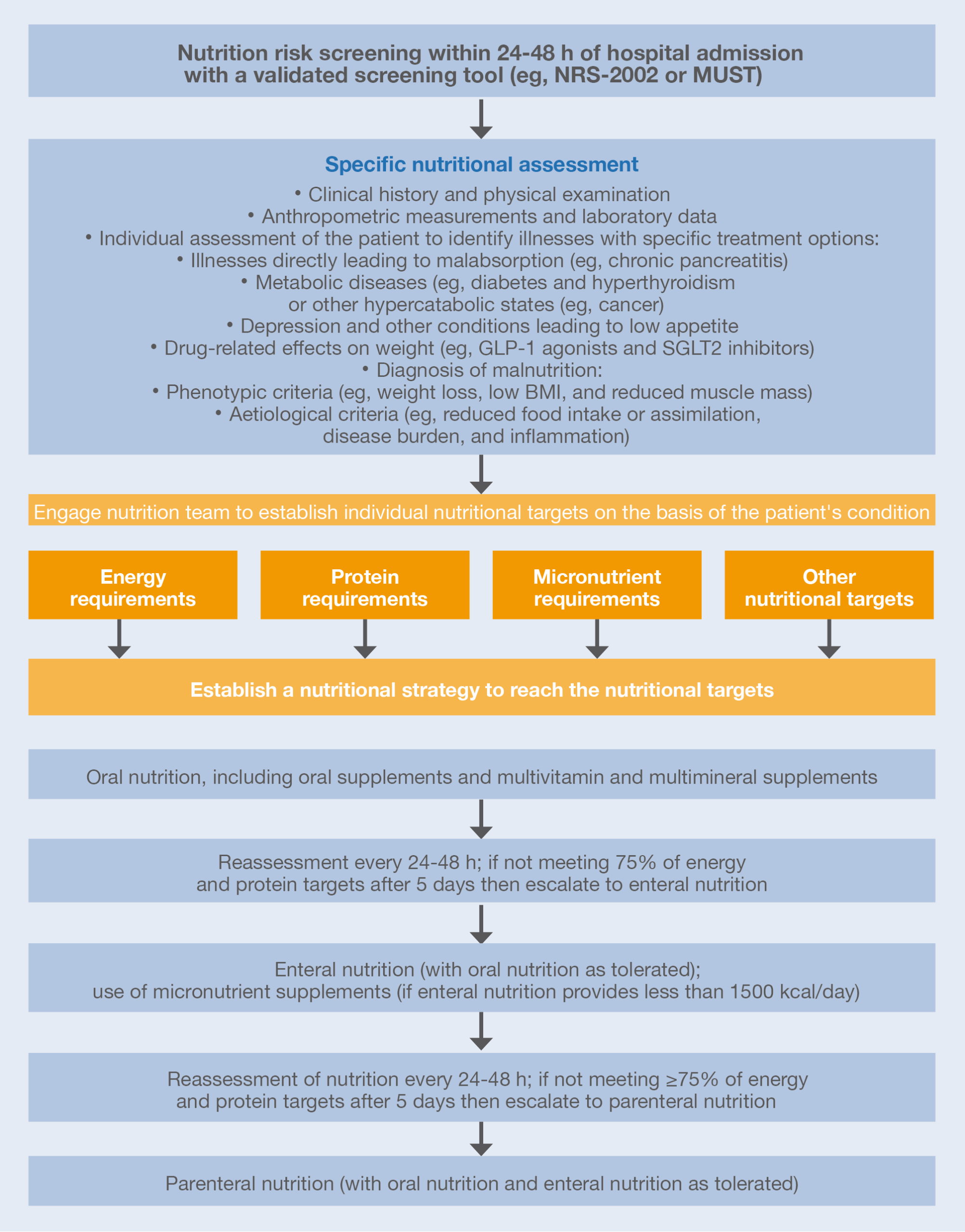
Treatment algorithm for hospitalised patients at risk of malnutrition (adapted from Schuetz 2021)2
Enteral tube feeding is indicated if a patient has a functioning gut but is unable or unwilling to consume sufficient food or fluid orally to meet their nutritional requirements.1 Depending on the patient’s individual needs it may be used as a supplemental or sole source of nutrition.
In some cases, ETF may be contraindicated e.g. intestinal failure; bowel ischaemia; post- operative stasis; complete intestinal obstruction; inability to access the gut; high loss intestinal fistulae or where the burden from ETF to the patient would outweigh the potential benefits e.g. terminal care.3 In these cases parenteral nutrition may be indicated, except for the latter example.
The EN process (Figure 3.35) is the system within which EN is used. This involves a number of major steps: the initial patient assessment, recommendations for an EN regimen, selection of the enteral access device (EAD), the EN prescription, review of the EN order, product selection or preparation, product labelling and dispensing, administration of the EN to the patient, and the patient monitoring and reassessment, with documentation at each step as required. This process necessitates a multidisciplinary team of competent clinicians working in concert to provide safe nutrition care.4
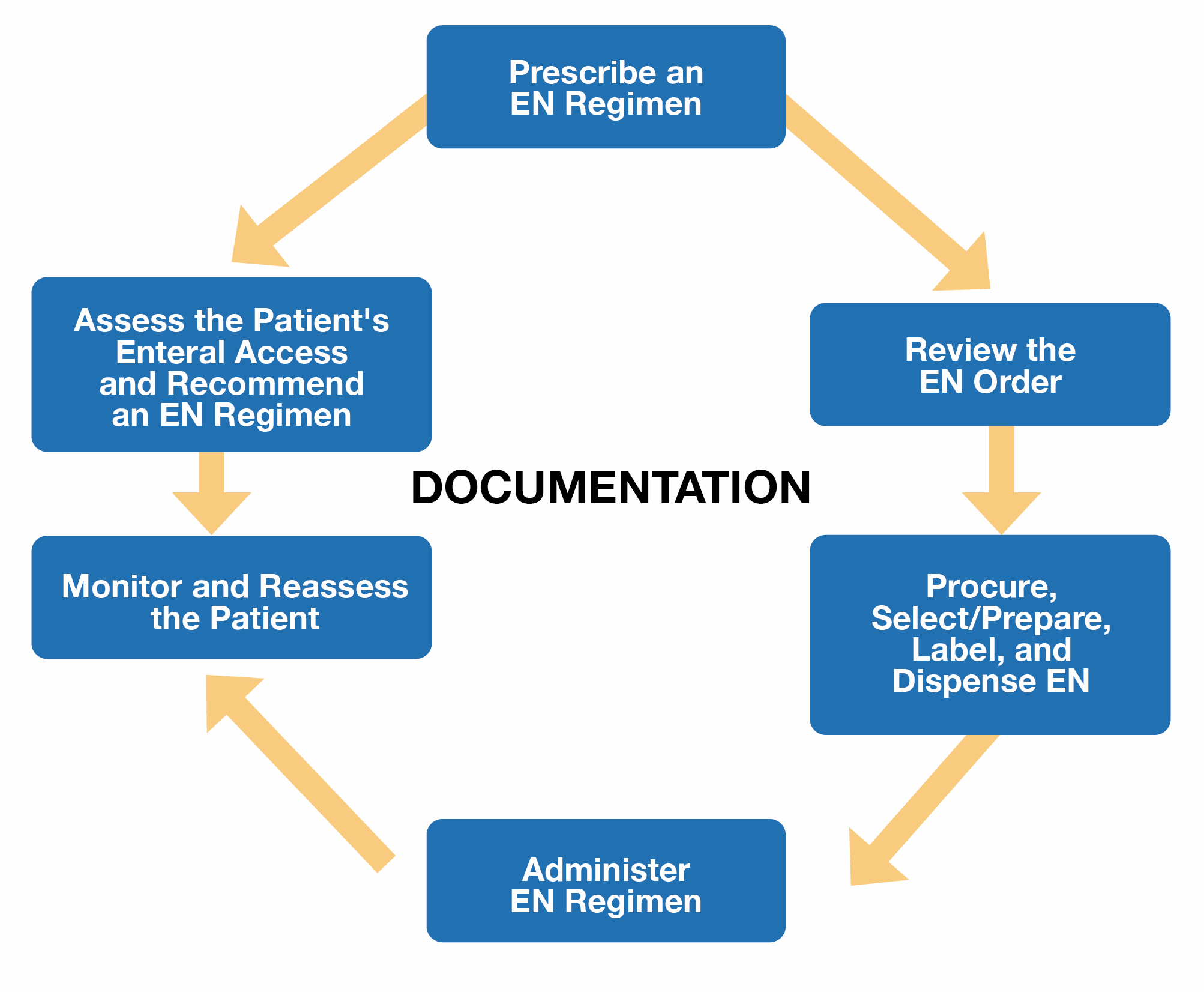
The Enteral Nutrition (EN) Use Process (adapted from Boullata 2017) 4
The Medical Nutrition provided through a tube should be introduced to the gastrointestinal tract at the point where it is possible to absorb it. Figure 3.36 shows the gut can be accessed in many different places. The choice of feeding route should be based on the underlying pathology, the likely duration of tube feeding and individual patient preference.3
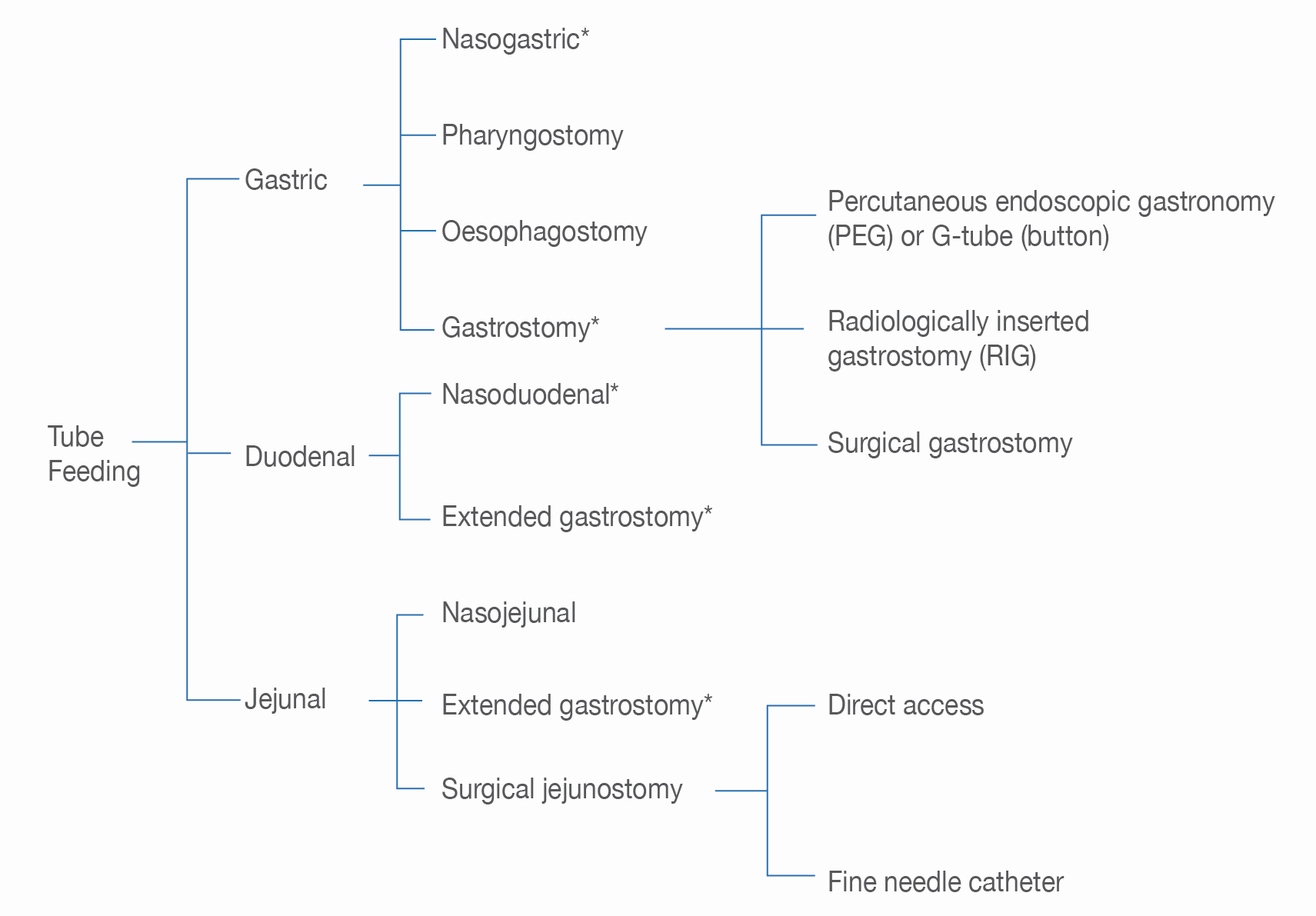
Routes for Enteral Tube Feeding (ETF). (adapted from Sobotka 2011) 3
*Preferred routes.
Gastrojejunostomy (GJ) tubes can also be used in ETF. A GJ feeding device is a combination of a gastrostomy device (placed into the stomach) and a jejunostomy device (placed into the jejunum, the first part of the intestines). A GJ feeding tube allows for continuous feeding into the small intestine as well as simultaneous venting or decompression of the stomach. 4
 ETF is frequently used in patients in hospitals
There are little data available in the published scientific literature about the prevalence of ETF in hospital patients. However, some data are available from the national reports from the nutritionDay surveys. NutritionDay is a worldwide annual initiative which aims to benchmark, monitor and improve nutritional care across Europe and beyond. Data are collected during a one-day cross-sectional audit on individual nutritional care and the nutritional status of patients aged >7 years of age.
- Data from the hospital surveys conducted between 2011 and 2015 show that about 6 to 8% of the cross-section of hospitalised patients captured in the survey are receiving ETFi. Worldwide data from the 2019 nutritionDay survey shows that EN was used among 6% of hospitalised patients (n=10702) in general and was the most frequent artificial nutrition used (48%) in ICU (n=1023).5 A small number of patients receive both enteral and parenteral nutrition concurrently. However, it is important to note that not all patients who are malnourished or at risk of malnutrition are identified and receive nutritional intervention (See Section 1 for more information on this topic) so these figures do not necessarily represent the number of patients who may need ETF, simply those that are receiving it at the time of the survey. It is also possible, due to the small numbers of patients included from the survey in each unit, that the data does not fully represent the hospital ETF population.
- Data from nutritionDay surveys highlight the variable prevalence of ETF across different countries and patient populations. In the UK, nutritionDay 2014 data reported that 10.3% of hospitalised patients (n = 14,603) were receiving ETF. Furthermore, data from Germany’s nutritionDay 2023 revealed that 4.6% of elderly hospitalised patients (N = 1,163) were on ETF. Similarly, in France, among 577 elderly patients surveyed, 12% were receiving ETF. These findings underscore the significant yet diverse use of ETF across European healthcare settings, particularly among elderly populations. 6
- In the UK an estimate of ETF activity in hospital was made to aid the calculation of the cost of malnutrition in England and potential cost savings from nutritional interventions by Elia et al. in 2015. They estimated that 148,684 patients are given ETF for a duration of 12 days under the current pathway of care (annual figure) which equates to over 1.7 million subject-ETF days per annum.7
ⁱWorldwide reference data from nutritionDay national reports (https://www.nutritionday.org/en/about-nday/national- reports/index.html. Accessed 04.04.17).
 ETF is frequently used in adult patients in the community
The use of ETF in the community or home enteral tube feeding (HETF) has become more common globally as a result of developments in technology, the development of the percutaneous endoscopic gastrostomy (PEG) and as a result of the need for more community care as governments attempt to refocus the delivery of healthcare away from the costly acute healthcare setting and closer to patients at home.8
Some countries, for example UK, Spain and Italy have developed national registers or undertaken surveys of patients receiving HETF. Although this information is not consistently available in all countries, data from these countries provides a longer-term picture allowing comparisons and trends in the HETF population over time. This is useful when planning and commissioning healthcare resources for this unique group of patients and can be used to monitor outcomes over a longer time frame.
Estimates of the prevalence of HETF have largely been obtained through national surveys or from large retrospective studies. Surveys generally rely on the co-operation of reporting centres/hospitals in providing accurate data and comparisons between surveys is often difficult due to the nature of reporting and the way in which the data is collected. A summary of prevalence data is shown in Table 3.2.
- In the UK the British Artificial Nutrition Survey (BANS) showed that 92 adult patients per million were receiving HETF (point prevalence) at the end of 2010.9
- The results of an Italian survey showed a point prevalence of 248 adult patients per million receiving HETF in 2012.10
- Results from the survey in Spain led by the Spanish Home Artificial Nutrition Group showed a prevalence of 67.1 per million of population receiving HETF during the year 2013.11
- A large retrospective analysis of data extracted from the National Health Insurance database in Taiwan of patients admitted for PEG insertion showed an incidence of 190 per million in 2010 in patients aged 65 years or over.12
- The use of HETF varies widely across countries and care settings. In Taiwan, 29.2% of residents in long-term care facilities receive nutrition via nasogastric tubes (NGT). Similarly, in the United States, 34% of nursing home patients with dementia require tube feeding. In Germany, the average rate of PEG use in nursing homes is 6.6%. In Japan, the prevalence of enteral tube feeding ranges from 7.4% in long-term care facilities, 7.9% in rehabilitation hospitals, 11.6% in nursing homes, to 36.3% in sanatorium medical facilities. 13
- In a UK cross-sectional survey, bolus tube feeding was found to be prevalent in 37% of long-term HETF patients. Data from 604 adult patients revealed that bolus feeding is commonly used, particularly among head and neck cancer patients and those with cerebral palsy. Most patients had been tube fed long term (average 4.1 years) and used bolus feeding for its convenience or to supplement oral intake. 14
- According to a year 2000 National Center for Health Statistics Home Survey in the US, 30,700 patients were on HETF,15 although this figure excludes those patients in long-term care facilities. There is a lack of more recent data for the US.
- Globally, the prevalence of HETF ranges from approximately 460 patients per million inhabitants in the United States to 40 per million in Spain. Neurological conditions and head and neck cancers are the leading indications for HETF. In the UK, 72.76% of HETF patients use PEG, while rates are lower in countries like Spain (25%). Despite its global adoption, disparities exist between developed and developing countries in terms of HETF service delivery, infrastructure, and patient management. 8
The prevalence of ETF in adults in the community is growing
As awareness of the role of nutritional intervention has grown and the pressure on hospital beds leading to more care in the community, it is no surprise that this is reflected in an increase in the number of patients receiving ETF in the community (Table 3.6):
- UK data from the BANS shows a 5% increase in the number of new registrations in 2010 compared to 2009.9
- There was an eight-fold increase in the number of patients registered between 1997 and 2006 in the Spanish register of Home Enteral Nutrition, although it is worth noting that this figure includes patients receiving more than 1000 kcal/day from an enteral formula regardless of the access route (oral/tube feeding).16
- Data from Italy shows that the prevalence of HETF in 2012 had increased by a factor of 1.62 compared to 2005.10
- The incidence of PEG insertion in patients ≥ 65 years increased from 97 to 190/million of population from 2005 to 2010 in a large retrospective analysis of data extracted from the National Health Insurance database in Taiwan.12
- In the UK, there has been a 42.78% increase over a decade in patients receiving HETF, with annual growth rates estimated between 20% and 25%. 8
- In a multicentre study from Poland, the prevalence of HETF increased significantly over time. Between 2008 and 2013, the number of adult patients receiving HETF grew from 196 to 2,842, reflecting the rising adoption of this therapy. Neurological conditions were the leading indication, with a shift from neurovascular to neurodegenerative diseases. PEG was the most common access route (>60%), and its use increased notably. 17
- The prevalence of HETF has shown a significant upward trend, particularly in the United States, where it rose from 463 per million population in 1995 to 1385 per million in recent years. In the UK, a 2011 report indicated a point prevalence of 92 per million population, with 71% of patients remaining on HETF the following year. A 2003 European multicentre survey reported a median HETF incidence of 163 per million population annually, ranging from 62 to 457 across various centres. Similarly, data from Northern Alberta, Canada, showed an HETF incidence of 150 per million population. 18
Prevalence and growth of HETF in specific countries
| Reference | Country | Total/Prevalence of HETF | Type of Enteral Nutrition | Data compiled | Age group | Growth |
|---|---|---|---|---|---|---|
| Annual BANS report 20119 | UK | 5703 point prevalence (Industry adjusted data using figures obtained from home care companies [HCCs] provide an estimated point prevalence of 31,795) 92/million point prevalence 130/million period prevalence | Home Enteral Tube Feeding | 2000-2010 | ≥16 years | 5% increase in the number of new registered adult patients receiving HETF (n = 3430) compared with 2009. (Industry adjusted data using figures obtained from HCCs suggests growth of 28% from 2005-2010 [although this may also reflect growth in the use of HCCs providing HETF to patients]). |
| Wanden-Berghe et al. 201511 | Spain | 67.1/million (period prevalence) | Home Enteral Tube Feeding | 2013 | All ages | Increased prevalence compared to 2011-2012 (64.5/million) |
| Chang et al. 201612 | Taiwan | 472 point prevalence Incidence: 190/million (in 2010) | PEG insertion | 1997-2004 and 2005-2010 | ≥65 years | Incidence of PEG increased from 97 to 190/million population from 2005-2010 |
| Pironi 201710 | Italy | 247.9/million (point prevalence) | Home Enteral Tube Feeding | 2012 | >18 years | Prevalence 1.62 x greater than 2005 |
| Klek 201517 | Poland | 1716 point prevalence | Home Enteral Tube Feeding | 2013 | >18 years | Prevalence greater than 2008 |
| Hubbard 201914 | UK | 604 total patients, 37% prevalence | Home Enteral Tube Feeding | 2015-2016 | >18 years | Bolus Feeding |
ETF is used to support adult patients with a wide variety of conditions
The requirement for enteral tube feeding, particularly over the longer term, is determined by the clinical condition of the patient. Whilst in an acute setting enteral nutrition may be used across a broad spectrum of patients with varying clinical conditions, enteral nutrition provided at home or in a home care setting is often provided to similar groups of patients. National surveys and retrospective studies of tube fed patients provide a useful overview.
- In national surveys of HETF the main disease areas in which patients receive ETF are cancers, neurological disorders and non-malignant GI diseases (see Figure 3.37).9-11,19
- Head and neck cancer accounted for 77% of new HETF registrations with cancer in 2010 in the UK survey and this figure has grown from previous years.9
- In a retrospective study of patients admitted to hospital for PEG insertion in Taiwan between 2005-2010 the underlying diseases were neurological disease 29.1%, head and neck cancer 41.7% and miscellaneous conditions 29.1%.12
- In the Spanish registry data from 2018 and 2019, neurological diseases associated with aphagia, or severe dysphagia were the leading indication for HETF among adults and children. In adults, out of 4,756 active patients in 2018, 58.7% (approximately 2,794 patients) required HETF due to neurological conditions, while in 2019, out of 4,633 patients, 58.2% (around 2,696 patients) had the same diagnosis. Most of these patients underwent gastrostomy, which accounted for 46.0% of cases in 2018 and 46.1% in 2019, while nasogastric tubes (NGT) were used in approximately 45.9% and 45.8% of cases, particularly in older patients. 20
- In Spain, a study on HETF revealed that 35% (n=200) of patients required HETF due to neurodegenerative or neurovascular diseases affecting swallowing or intestinal motility. 15% (n=85) of cases were due to oncological diseases, where patients experienced issues related to cancer that hindered their ability to eat or absorb nutrients. Additionally, 11.9% (n = 68) of patients needed HETF because of head and neck cancer or surgery, with mechanical disorders affecting their swallowing or digestion. The remaining 38.1% (n = 220) of patients were malnourished individuals who received short-term HETF after hospitalisation or a hip fracture. 21
- A prospective study of 104 patients referred for PEG insertion at a hospital in Sweden, from 2005 to 2007 showed 75% had a diagnosis of cancer, 22% neurological diseases and 2% other conditions.22
- A retrospective multi-centre qualitative study of patients receiving HETF in Ireland showed that in adult patients (n = 50) the clinical conditions were classified as follows: malignancy 48%, neuromuscular degenerative disorder 16%, stroke 8%, respiratory disease 8%, brain injury 6%, congenital malformation 6%, and unknown 8%.23
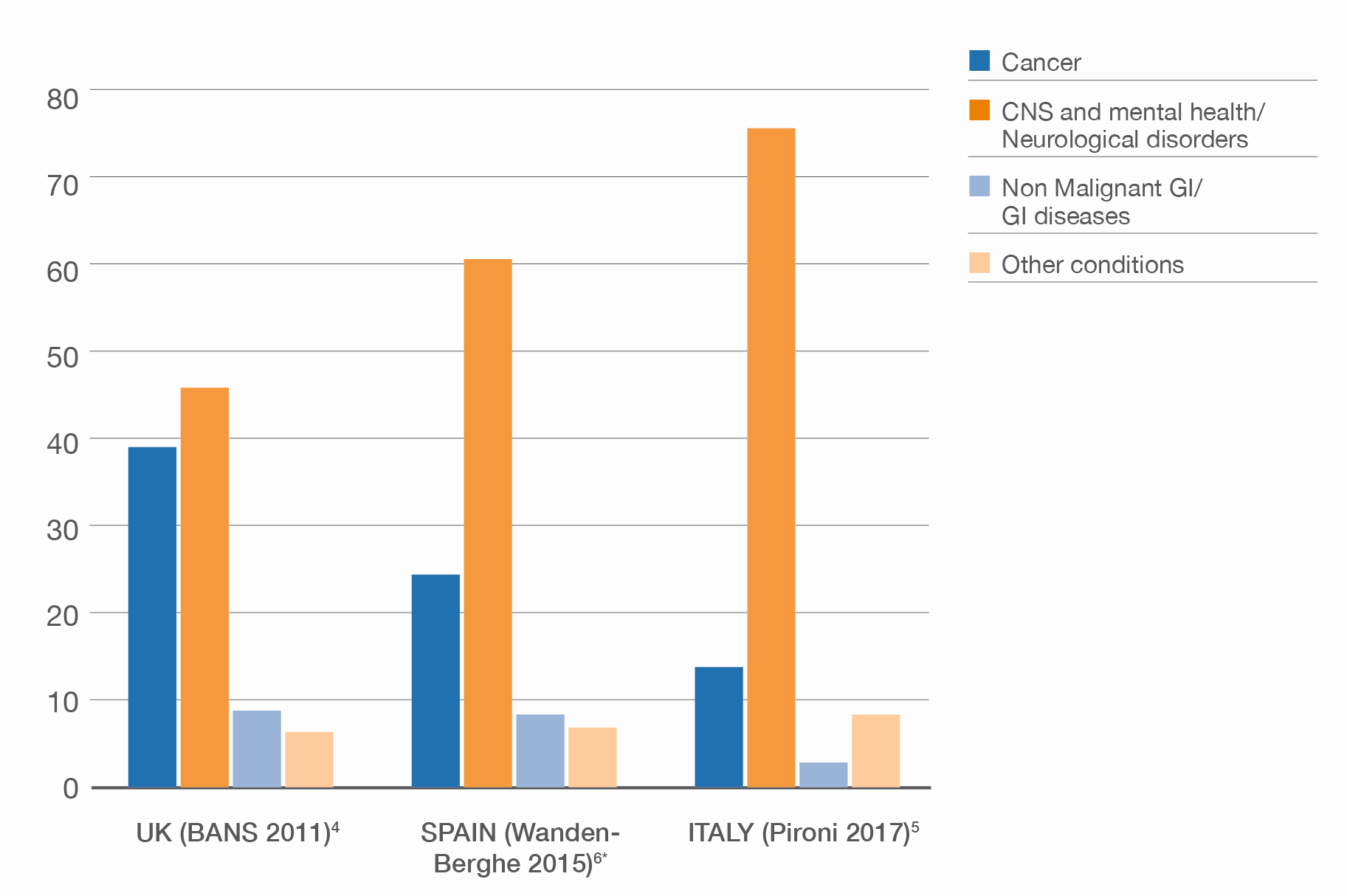
Diagnostic groups of patients receiving HETF from three national surveys 9
*Data from Wanden-Berghe et al (2015), has been represented by the addition of the following categories in brackets: Cancer (head and neck tumour + GI tumour); Non-malignant GI/GI diseases (ORL and maxillofacial surgery + severe intestinal motility disorder + malabsorptive syndromes + non-neoplastic oseophageal stenosis).
ETF is used to support adult patients of all ages
Data on the prevalence of ETF in specific age groups in hospitals is not widely reported. However, there is useful data available from national registries of patients receiving ETF in the community.
- The median age of patients using HETF in Spanish community was 79 years, with 78.6% of patients being over 65 years old. 21
- The study data from NADYA-SENPE registry in Spain indicates that the largest group of adult patients receiving ETF are aged 71+ years. 20
- The BANS survey in the UK shows the largest group of adult patients receiving HETF are aged 71+ years.9
- Data from Spain shows a similar picture with the median age of adult patients receiving HETF being 73 years.11
- A large study of nursing home patients in Germany showed that the majority of patients with a PEG (48.6%) were aged over 80 years.24
- Whilst the majority of newly registered patients (63%) receiving HETF in 2010 were over 60 years in the UK BANS survey, the proportion aged between 31 and 60 years increased by 7% compared to 2000 (Figure 3.38). A possible explanation for the decreasing proportion of the oldest patients and the increasing proportion of the younger patients could be the change in the clinical conditions of patients newly registered with BANS (e.g. increase in the proportion of head and neck cancer patients; reduction in the proportion of CVA [cerebrovascular accident] patients).9
- A study of patients referred for PEG insertion in a hospital in Sweden showed that the majority of subjects (52%) were aged <65 years. This probably reflects the large proportion of these patients with malignancy as their underlying condition (75%).22
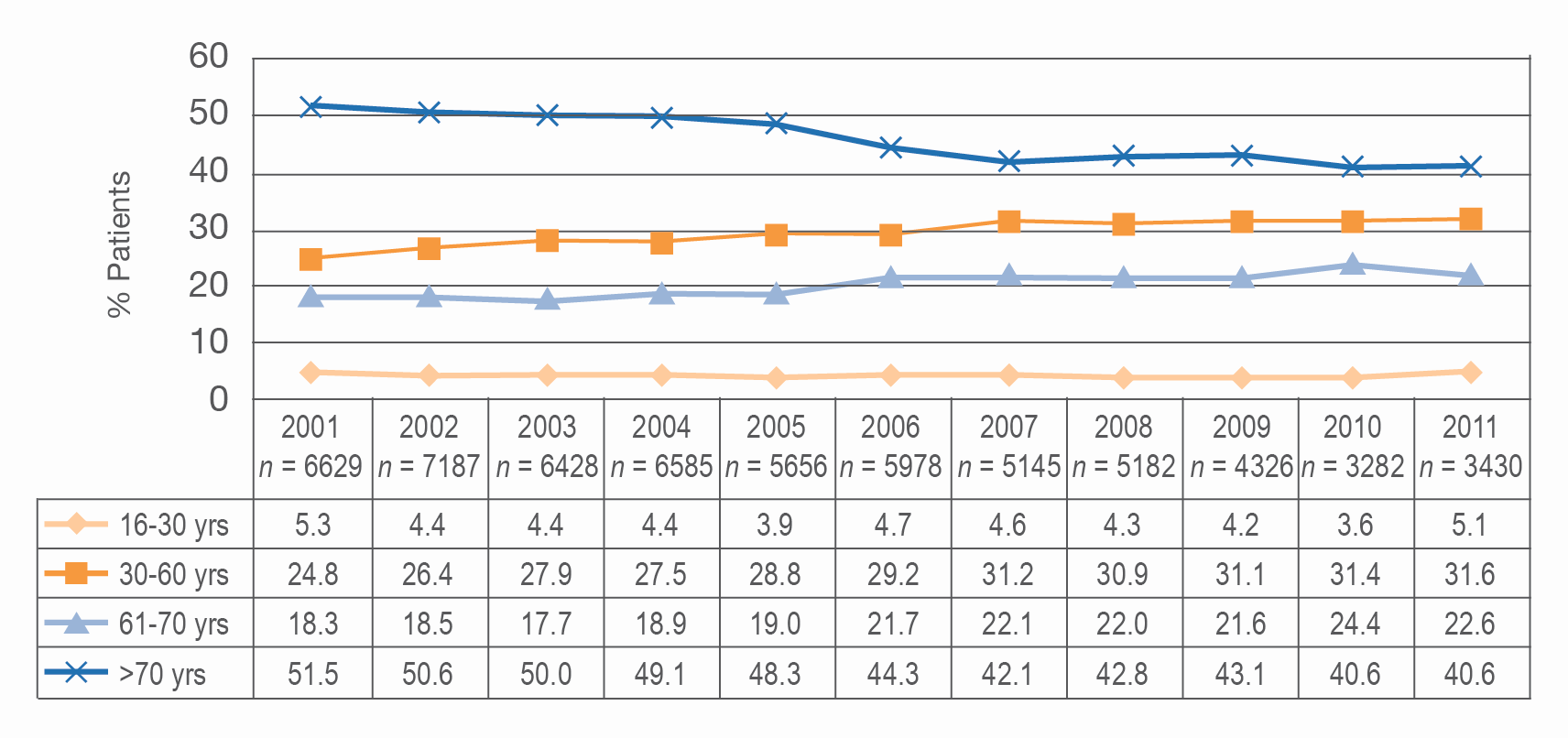
New adult HETF registrations in the UK (%) within age bands (2000-2010) (adapted from Smith et al. 2011) 9
The majority of patients receiving ETF in the community live in their own homes
There are little data on the comparative setting of patients receiving HETF except from the UK BANS survey which includes information on whether patients are in their own homes/ nursing homes or residential care and a regional survey in Italy which looked at patients receiving HEN either at home or in nursing homes over an 11 year period.9, 25
- Data from the 2011 BANS report showed that the majority of newly registered patients on HETF lived in their own home (increase from 56% in 2000 to 69% in 2010). Less than one third (29%) of the patients lived in nursing homes or received residential care, which dropped from 40% in 2000.9
- According to the 2018 BANS Report, from 2010 to 2015, most newly registered adult patients receiving HETF in the UK lived in their own homes. The majority of newly registered adult patients on HETF lived in their own home (increase from 69% in 2010 to 72% in 2015). The proportion of patients living in nursing homes or receiving residential care fell further to 25% in 2015. The proportion of newly registered patients living in their own home was 5% higher than the proportion of existing patients living in their own home in 2015, with the reductions seen in those living in nursing homes or receiving residential care (Figure 3.39). The report indicates a trend toward increased home residence among these patients during this period.26
- An Italian epidemiological study over an 11-year period (2002-2012) which included 3246 subjects receiving HETF showed that 56% were living in their own homes and 44% were in nursing homes.25
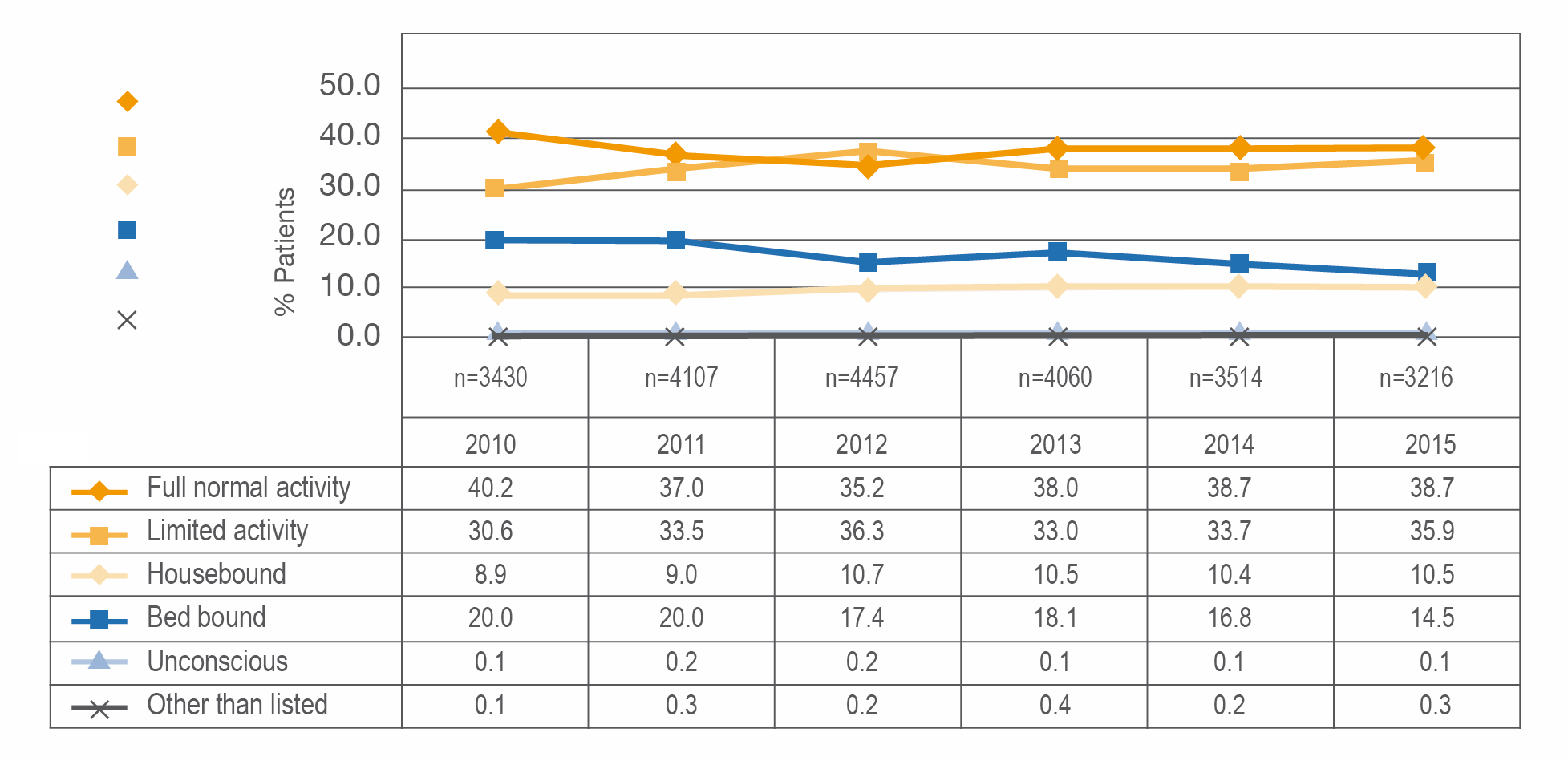
Activity status of newly registered adult HETF patients 2010-2015. (adapted from Stratton et al., 2018)26
Many adult patients on ETF in the community live independently and achieve full normal activity levels
Data from national registers and retrospective studies show that many people receiving ETF in the community live independently and self-manage their daily care whilst also achieving normal activity levels. In the UK there is an increasing trend towards ETF patients living independently which may reflect the younger age groups in which ETF is initiated.
Unsurprisingly those ETF patients that live in nursing homes tend to require total care and are generally immobile.
- Data from the UK BANS report shows that the majority of newly registered patients (40.2%) achieve full normal activity levels whilst receiving HETF (Figure 3.40). This is an increase from 17% in 2000 (Figure 3.40).9
- This is mirrored by a reduction in the level of dependency in new HETF patients over the years. In 2000, 21% of new patients lived independently and 57% required total help. Data in 2010 showed an increase in patients who lived independently (40%), outnumbering the proportion of patients who required total help (39%) (Figure 3.41).9
- The proportion of patients on HETF and newly registered with BANS who were fully active has remained relatively stable; 40% in 2010 and 39% in 2015. The percentage of newly registered patients with limited activity has increased from 31 to 36%, as has the proportion of patients who were housebound: 9 vs 11%. The proportion of newly registered HETF patients who were bed bound has continued to decrease, falling by 5% from 2010 to 2015. This drop in the proportion of bedbound patients may be explained in part by changing diagnoses of patients receiving HETF and by clinicians reconsidering the ethical appropriateness of long term HETF for some patient types.26
- The level of dependency in HETF patients newly registered with BANS has fallen slightly over the years. In 2010, 40% of new patients were independent and 39% required total help. Data in 2015 showed a further increase in patients who were independent (42%), again outnumbering the proportion of patients who required total help (37%) (Figure 3.42). 26
- In a study of patients receiving HETF after discharge from hospital (n = 40) in Sweden thirty-two patients (80%) ran their daily care of HETF by themselves, while eight patients (20%), all using PEG, received help from their cohabitant, an adult, child or home health care services.27
- A UK cross-sectional survey of 604 adult HETF patients receiving bolus tube feeding found that 70% were sedentary. However, activity levels varied by condition; for example, 79% of head and neck cancer patients were active, while 94% of patients with cerebral palsy were sedentary. The majority of patients were long-term tube fed, lived at home (71%), and used bolus feeding due to its convenience and adaptability to their lifestyle needs.14
- Data from Ireland from a retrospective multicentre study showed that a quarter of the patients felt that the use of HETF had a significant negative impact on daily activities, whilst in contrast 55% reported little or no impact.23
- Forty eight percent of patients referred for PEG insertion in a hospital in Sweden felt that the PEG placed no limitations on their activity levels, whereas 51% responded that it affected their activity to some extent. In the same study 63% were self-caring with respect to feeding assistance, 22% received care from care staff, 18% from their spouse and 2% from another relative.22
- Data from Spain led by the Spanish Home Artificial Nutrition Group show a slightly different picture with most of the HETF patients being chair- or bed-bound (49.4%) or limited in their activity (33.9%). In addition, most patients required partial (27%) or total help (56.5%) in their daily activities.11
- A study to investigate the prevalence of malnutrition in orally and tube-fed nursing home residents in Germany showed that 100% of the tube fed patients (n = 27) were “in need of care” and the overwhelming majority (96.3%) of tube fed patients were immobile.28
- A prospective study at Karolinska University Hospital explored patients’ experiences of living with PEG. Data from 104 responders showed that PEG feeding often interfered with daily life; however, this applied mainly to specific groups. Women felt more limited in daily activities than men (p=0.004), older patients reported less control over feeding times (p=0.026), and highly educated patients found feeding more time-consuming (p=0.004). Additionally, the type of condition also affected the degree of interference with cancer patients reporting more interference with oral intake compared to those with neurological conditions (p=0.009). Most patients were supported primarily by their spouses and preferred contacting PEG outpatient clinics over district nurses when issues arose. Despite these challenges, 73% reported being satisfied with their PEG care.22
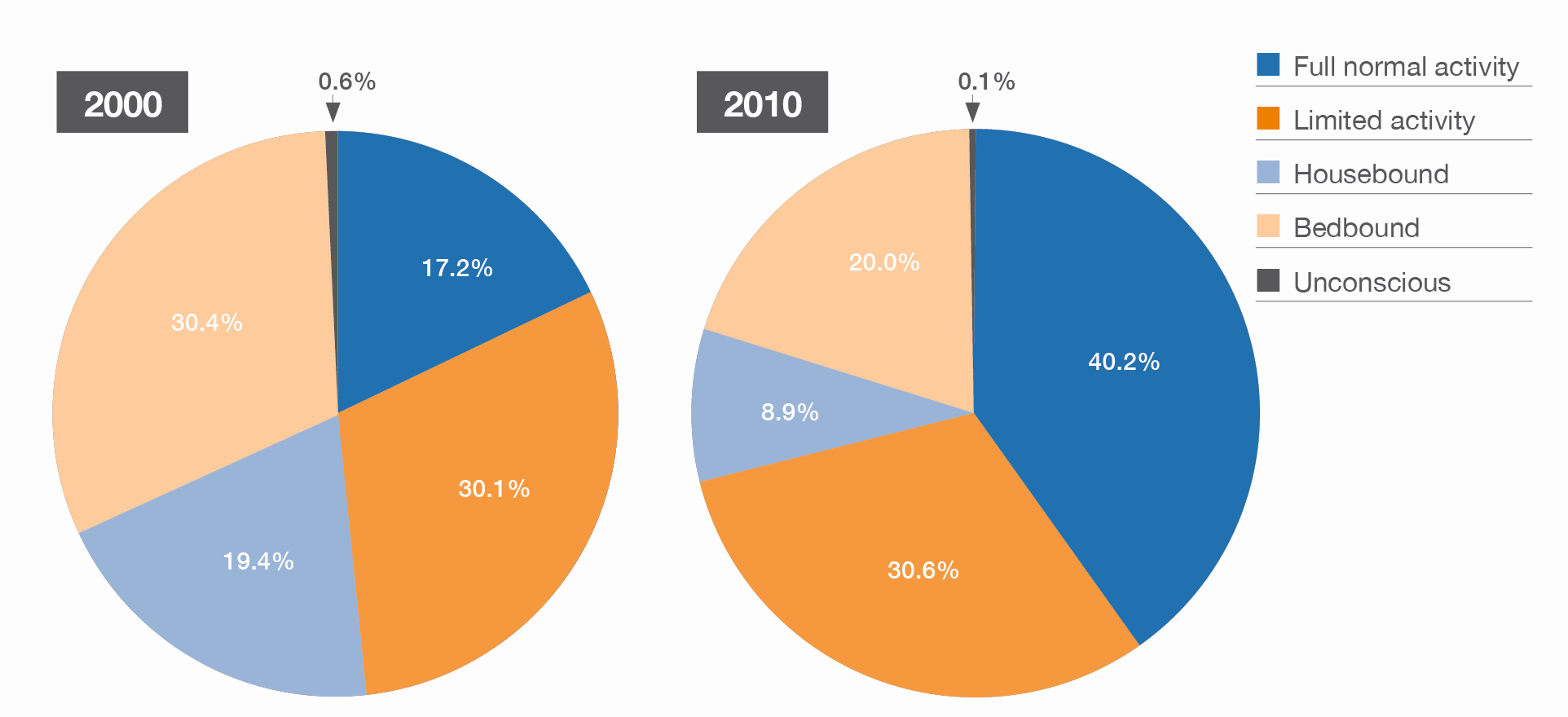
Activity levels of newly registered patients receiving HETF in 2010 and 2000 in the UK 9
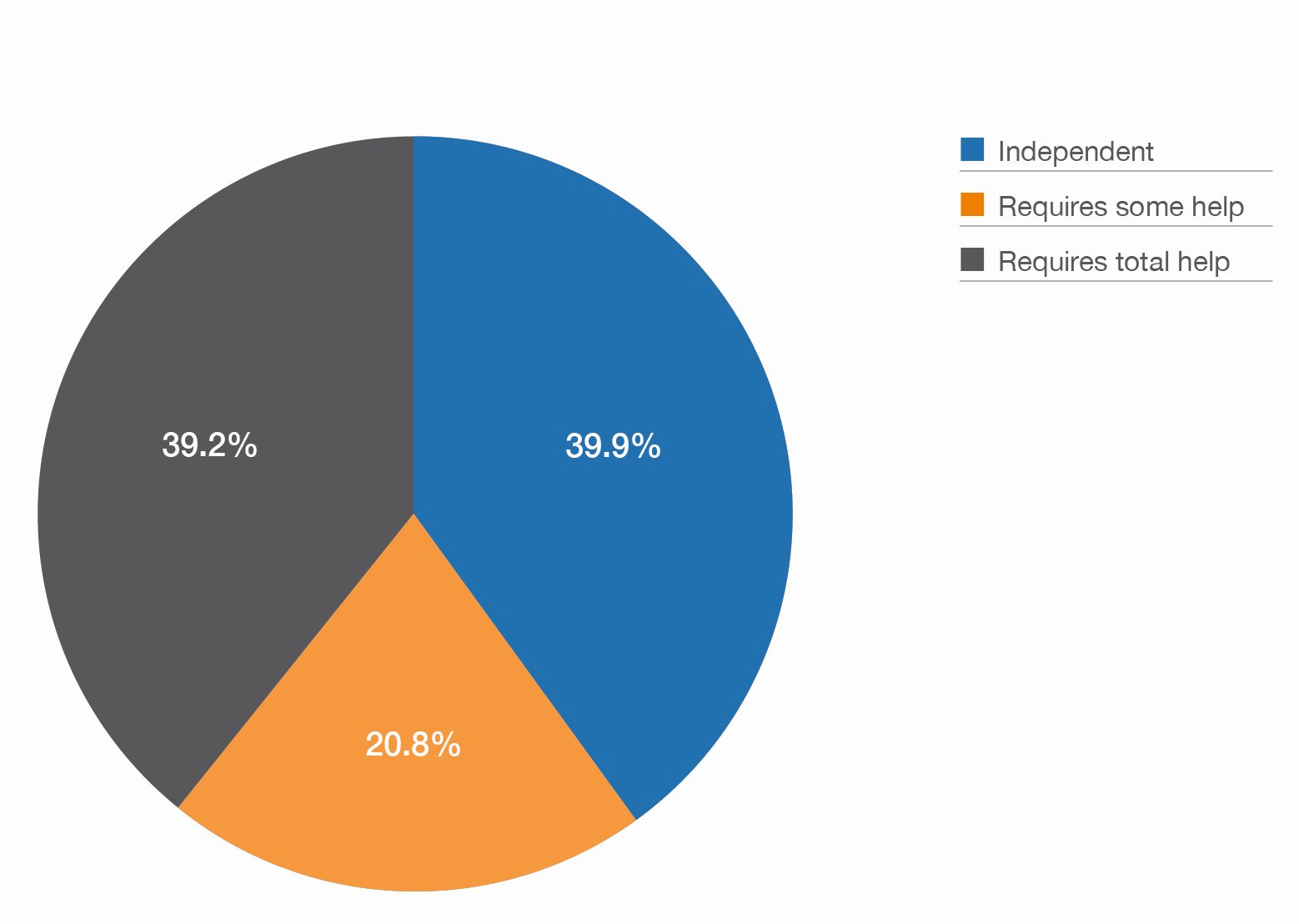
Dependency levels of newly registered patients receiving HETF in 2010 in the UK 16
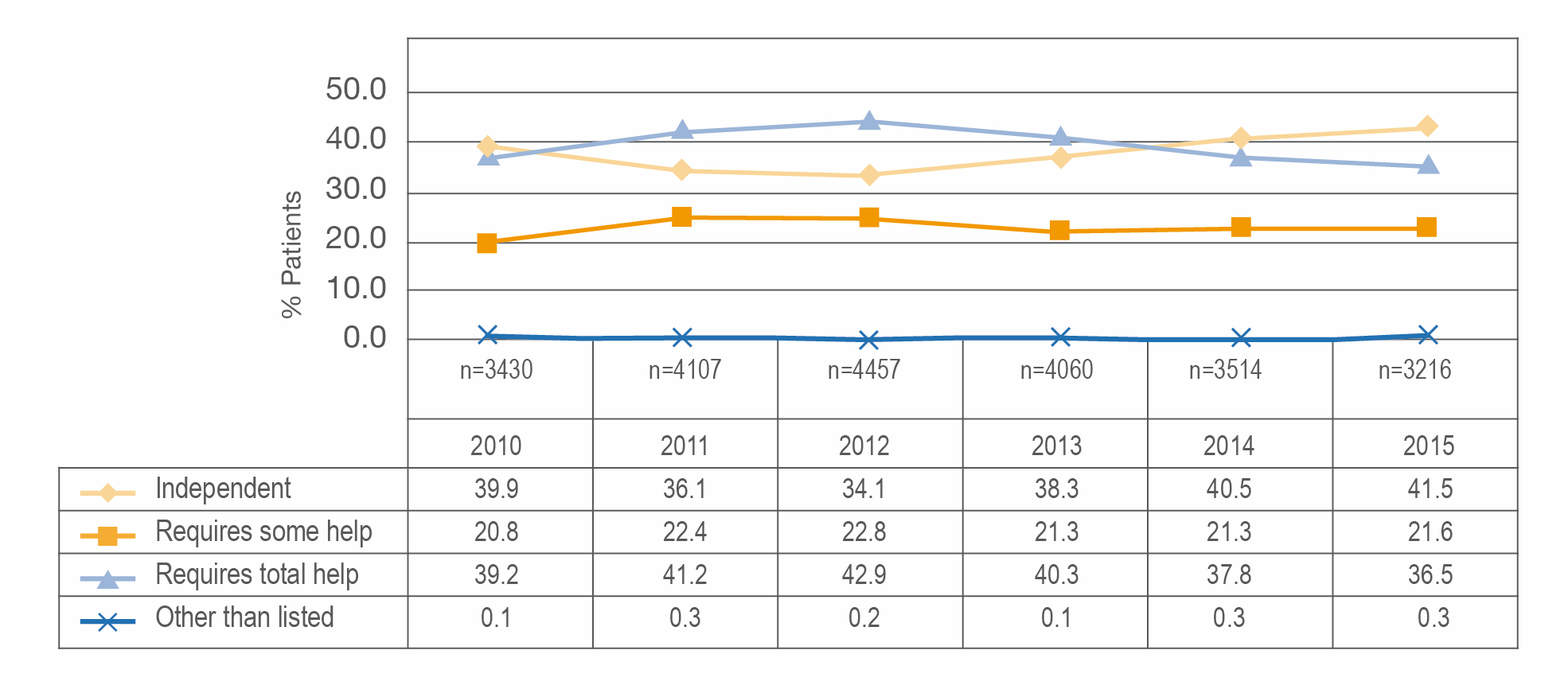
Dependency levels of newly registered adult HETF patients 2010-2015. (adapted from Stratton et al., 2018) 26
ETF via a gastrostomy tube is generally the most common feeding route used
- Data from the UK BANS report shows that gastrostomy was the primary route of feeding for HETF patients as it has been over the last ten years. In 2010, 75% of the HETF patients were fed by gastrostomy. Other routes of feeding are less common (jejunostomy 5%; nasogastric tube 17%). Feeding by naso-duodenal or naso-jejunal tube only occurred in 4% of the patients.9
- In BAPEN 2018, Gastrostomy was the primary route of feeding for newly registered HETF patients, as it has been over the last 15 years. In 2015, 80% of patients were fed by gastrostomy. Other routes of feeding continued to be less common (jejunostomy 6%; nasogastric tube 10%). Feeding by naso-duodenal or naso-jejunal tube occurred in 3% of patients. 26
- According to the data obtained through the Spanish HAN registry the principal route of administration was via a naso-gastric tube (48%) followed by gastrostomy (40.8%) in adults in the year 2013.11
- In a retrospective multi-centre qualitative study of patient experience and attitudes relating to HETF in Ireland (n = 50 Adults), 89% of patients were fed via a gastrostomy but there was no data on the access route of the remaining 11%.23
- From 1990 to 2020, 348 cancer patients were initiated on HETF, with the majority experiencing severely limited oral intake requiring long-term nutritional support. The access routes for HETF included NG/NJ tubes (36.2%), PEG/PEJ (33.9%), surgical jejunostomy (28.4%), and surgical gastrostomy (1.4%). Over time, PEG became the main choice of access route, while the use of NG/NJ tubes, surgical gastrostomy, and jejunostomy significantly decreased from 1990 to 2020 (P < 0.001, P < 0.001, and P = 0.003, respectively).29
- A Polish observational multicentre study of 456 HETF patients (142 children and 314 adults) showed that EN was performed via percutaneous endoscopic gastrostomy (75.4%), surgical gastrostomy (8.5%), low-profile gastrostomy (0.7%), jejunostomy (2.6%), and nasogastric tube (12.7%).30
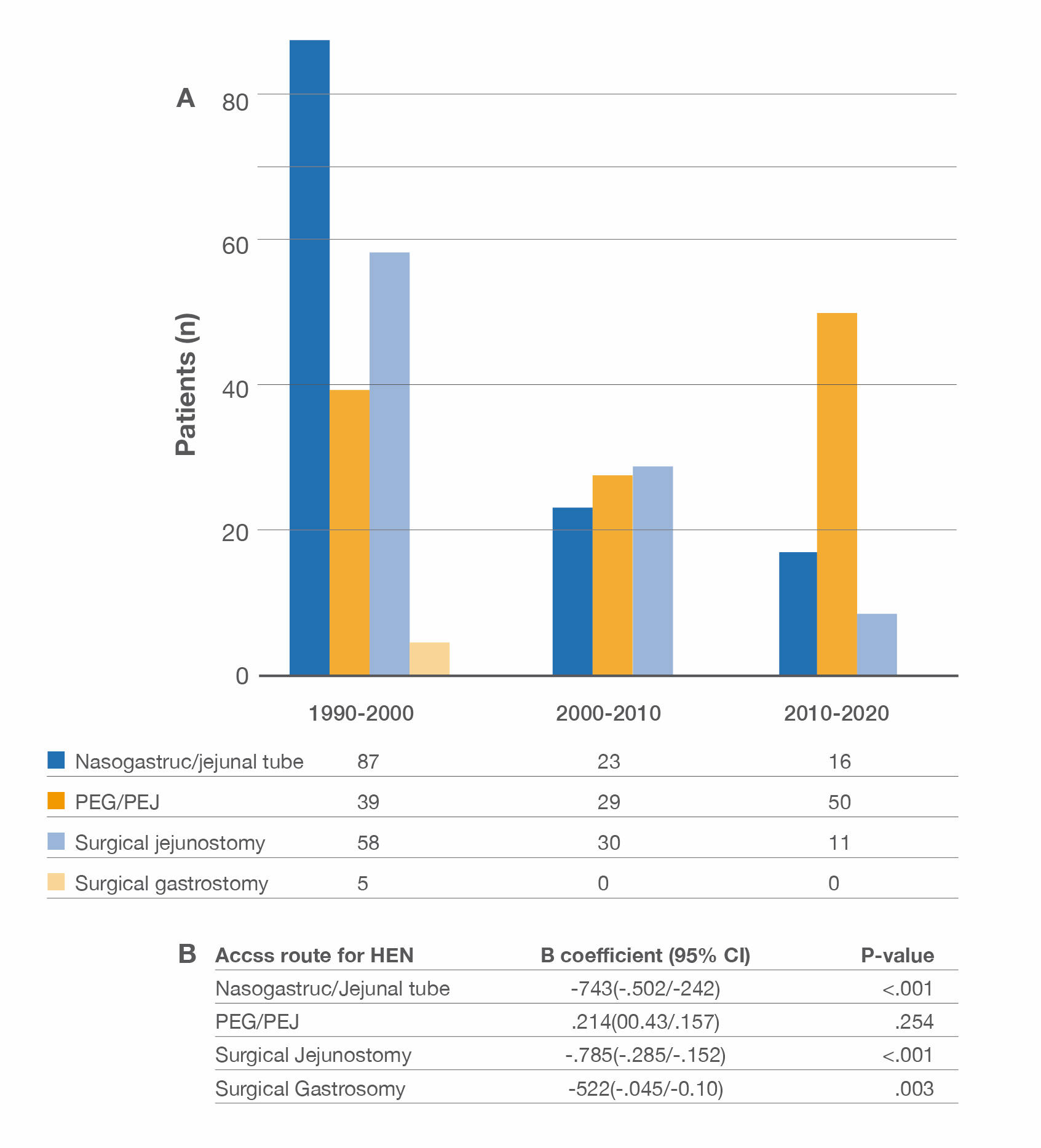
Changes in the choice of feeding tube for the HEN from 1990 to 2020 (adapted from Ruggeri et al., 2021) 29
PAEDIATRICS
In a study conducted at Necker Hospital in Paris, France, ETF was used in 52% of 190 patients with inherited metabolic diseases (IMDs) diagnosed before 12 months of age. ETF prevalence was highest among patients with glycogen storage diseases (88%) and fatty acid oxidation disorders (82%), with feeding difficulties and prevention of fasting being the primary indications.31
The indications for ETF in children are outlined in Table 3.7. As for adults, ETF may be required for a short period but for many children it can be long-term or even life-long.
Indications for ETF in children (adapted from Shaw & Lawson 2008 and Yi, 2018)32,33
| Indication | Example |
|---|---|
| Inability to suck or swallow | Neurological handicap and degenerative disorders Severe developmental delay Trauma Critically ill child requiring ventilation |
| Anorexia associated with chronic illness | Cystic fibrosis Malignancy Inflammatory bowel disease Liver disease Chronic renal failure Congenital heart disease Inherited metabolic disease |
| Increased requirements | Cystic fibrosis Congenital heart disease Malabsorption syndromes (e.g. short gut syndrome, liver disease) Burn injury Recurrent infection Chronic renal/pulmonary disease |
| Congenital anomalies | Tracheo-oesophageal fistula Oesophageal atresia Orofacial malformations |
| Primary disease management | Crohn’s disease Severe gastro-oesophageal reflux Short bowel syndrome Glycogen storage disease Very long chain fatty acid disorders Ketogenic diet in epilepsy Inborn errors of metabolism |
| Growth | Growth retardation Weight faltering Weight deficit Neonates: premature or necrotizing enterocolitis |

 ETF is used widely to support children in the community
Published data on the prevalence of ETF in children in the community is increasing with more data available in recent years generally from those countries that conduct national surveys (see Table 3.8).
- Data from the UK BANS showed that in 2010, 448 new children were registered and 1336 were updated (period prevalence). The number of new registrations was lower than previous years, which was thought to be due to a reduction in the number of reporting centres as a result of a new method of reporting.9 The survey also compares prevalence data obtained from the home care companies (HCCs) who supply HETF to give a more accurate picture of the numbers of children receiving HETF. The updated data gives a point prevalence estimate of 16,982 children receiving HETF in 2010, suggesting a large shortfall in reporting data (93.2% shortfall).9
- In the Spanish registry data from 2018 and 2019, neurological diseases associated with aphagia, or severe dysphagia were the leading indication for HETF among adults and children. Among children, neurological diseases with severe dysphagia or aphagia were also a significant indication, representing 41.4% (48 out of 116 children) in 2018 and 41.7% (48 out of 115 children) in 2019. Other pathologies accounted for 42.2% (49 children) in 2018 and 42.6% (49 children) in 2019. In paediatric cases, gastrostomy was the primary route of feeding, used in 46.6% (54 children) in 2018 and 46.1% (53 children) in 2019, while NGT was utilized in 30.2% and 27.8%, respectively, particularly in younger children. 20
- A national study in the Netherlands reported a prevalence of 83–92 per 100,000 children per year receiving home tube feeding between 2010 and 2014. Most children had underlying conditions such as congenital abnormalities, perinatal problems, or neurological diseases. Gastrostomy tubes were most common (60%), followed by nasogastric tubes (33%). 34
- In 2007 the Register of Pediatric Outpatient and Home Enteral Nutrition (NEPAD) in Spain had recorded a total of 529 paediatric patients receiving HEN from 13 hospitals but recognized that this is likely to be an underestimate due to the small number of reporting centres.35 It should also be noted that this register included a small number of patients receiving oral nutrition (96.3% tube fed, 3.7% oral).35
- The results of an Italian survey of Home Artificial Nutrition which included paediatric patients showed a point prevalence of 27.3/million inhabitants receiving HETF with a total number of cases of 1395 in 2012.10
- Another Italian survey including data from four Italian Regional Reference Centres for Paediatric Home Artificial Nutrition estimated the overall prevalence of HETF to be 34.7/million inhabitants in 2009 in children aged 0-18 years.36
- A survey sent to all regional centres providing paediatric HETF services in Poland showed that there was a total of 525 cases receiving HEN and an incidence of 13.75/million population at the end of 2010.37
- A national survey in New Zealand conducted in 2013 which was sent to all District Health Boards, showed a total of 630 children and young people receiving long-term EN, with a prevalence per 100,000 children aged <15 years of 66.5.38
The use of ETF in children in the community is growing
- In the UK the number of new registrations and the total number of children receiving HETF at the end of 2010 was lower than in previous years which was thought to be due to a 60% reduction in the number of reporting centres participating in the survey.9 However, the data obtained from the Home Care Companies (HCCs) supplying HETF suggests that ETF continues to grow in the community with a growth of 39% in 2010 compared to the previous year and 41.5% growth compared to 2005.9 This suggests that the BANS data is likely to be an underestimate of the real picture.
- Compared to 2005 the point prevalence of paediatric cases receiving HETF was 2.55 times greater in 2012 in the Italian survey of Home Artificial Nutrition.10 Another Italian survey of children receiving HETF at four regional centres in Italy showed a steady increase from 1996-200936 (see Figure 3.44).
- In 2003 the Spanish Register of Paediatric Outpatient and Home Enteral Nutrition (NEPAD) registered only 124 children from six Spanish hospitals while in the last assessment, undertaken in 2007, both the number of patients and hospitals had increased (n = 529, 13 hospitals).35 Note: the register includes a small number of patients receiving oral feeding (96.3% tube feeding, 3.7% oral feeding).
- A survey sent to all regional centres providing paediatric HETF services in Poland which included an analysis of the number of paediatric patients who received HETF on January 1st 2010 and December 31st 2010, showed that the number of children receiving HETF at the end of 2010 increased by 21% (from 433 to 525 patients) compared to the beginning of that year.37
- In Poland, between 2010 and 2018, 3,865 children received HETF, with most starting before the age of 3. Long-term use (5–9 years) was common, and the leading indication was food-related symptoms and signs. These findings highlight the increasing use of HETF and the need to improve service availability across the country. 39
- The number of children initiating HETF varies across different countries and time periods.
- In the United States, it is estimated that 189,036 children require HETF, a number that has been increasing with advancements in nutrition science and feeding technology;40
- In the UK, a 2010 report estimated that there were 16,982 children on home enteral nutrition, reflecting a 41.5% increase since 2005;41
- In Poland, the number of children using home enteral nutrition increased from 743 in 2010 to 1,875 in 2018, representing a 2.5-fold increase;42
- These figures indicate a growing trend in the initiation of HETF among children, although specific numbers can vary based on regional healthcare practices and reporting methods.
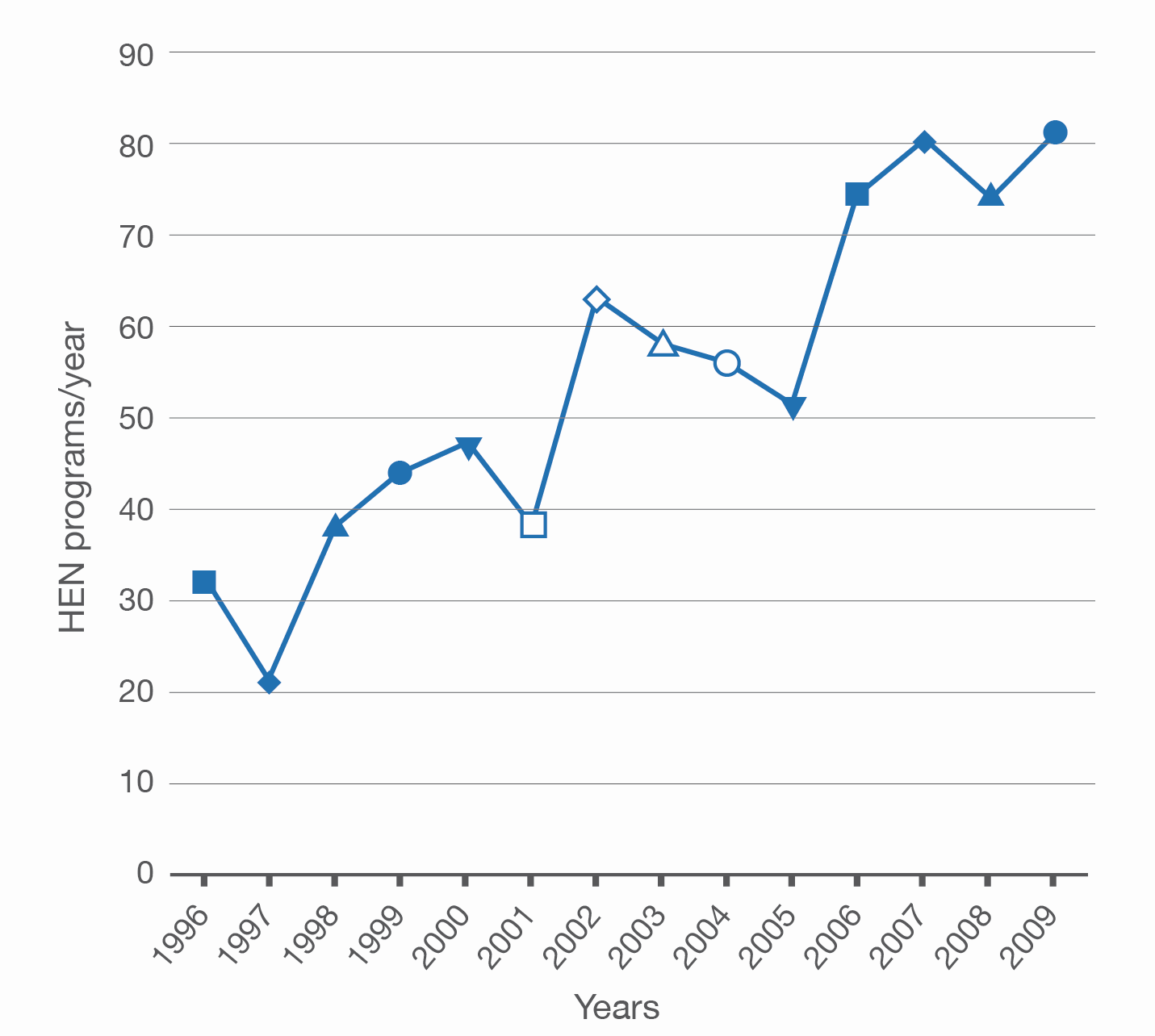
Number of children started on HETF in Italy in four regional centres each year for the period 1996-2009 (adapted from Diamanti et al, 2013) 36
Prevalence and growth of paediatric Home Enteral Tube Feeding (HETF)
| Reference | Country | Total/Prevalence of HEN | Data compiled | Age group | Growth |
|---|---|---|---|---|---|
| Jelleyman 2013 38 | New Zealand | Total: 630 (575 <15 years) 65.9 per 100,000 (<15 years) | 2013 | <15 years | Not reported |
| Gómez‐ López et al. 2010 35 | Spain | Total: 529 | 2003-2007 | Paediatric‐ Not further defined | Growth from 124 patients in 2003 (6 reporting centres) to 529 patients (13 reporting centres) in 2007 a |
| Szlagatys‐ Sidorkiewicz et al. 2012 37 | Poland | Total: 525 (13.75 per 1,000,000) | 2010 | ≤18 years b | 21% (from 433 to 525 patients) compared to January 1st 2010 |
| Annual BANS report 2011 9 | United Kingdom | Total: 1336 (Industry adjusted data from Home Care Companies (HCCs) suggests total point prevalence in the UK is 16,982) |
2010 | <16 years | Shortfall in data due to reduction in number of reporting centres. (Industry adjusted data from HCCs suggests growth of 41.5% since 2005, although this could also reflect growth in the use of HCCs to provide HETF) |
| Pironi 2017 10 | Italy | Total: 1395 (27.3/million) | 2012 | ≤18 years | Comparison between 2005 and 2012 point prevalence (expressed as 2012:2005 ratio) was 2.55 |
| Krom 201934 | Netherlands | 347 children | 2010-2014 | < 17 years | Not reported |
ᵃThe register includes a small number of patients receiving oral feeding (96.3% tube feeding, 3.7% oral feeding)
ᵇBased on the age range reported in the paper which was up to 18 years
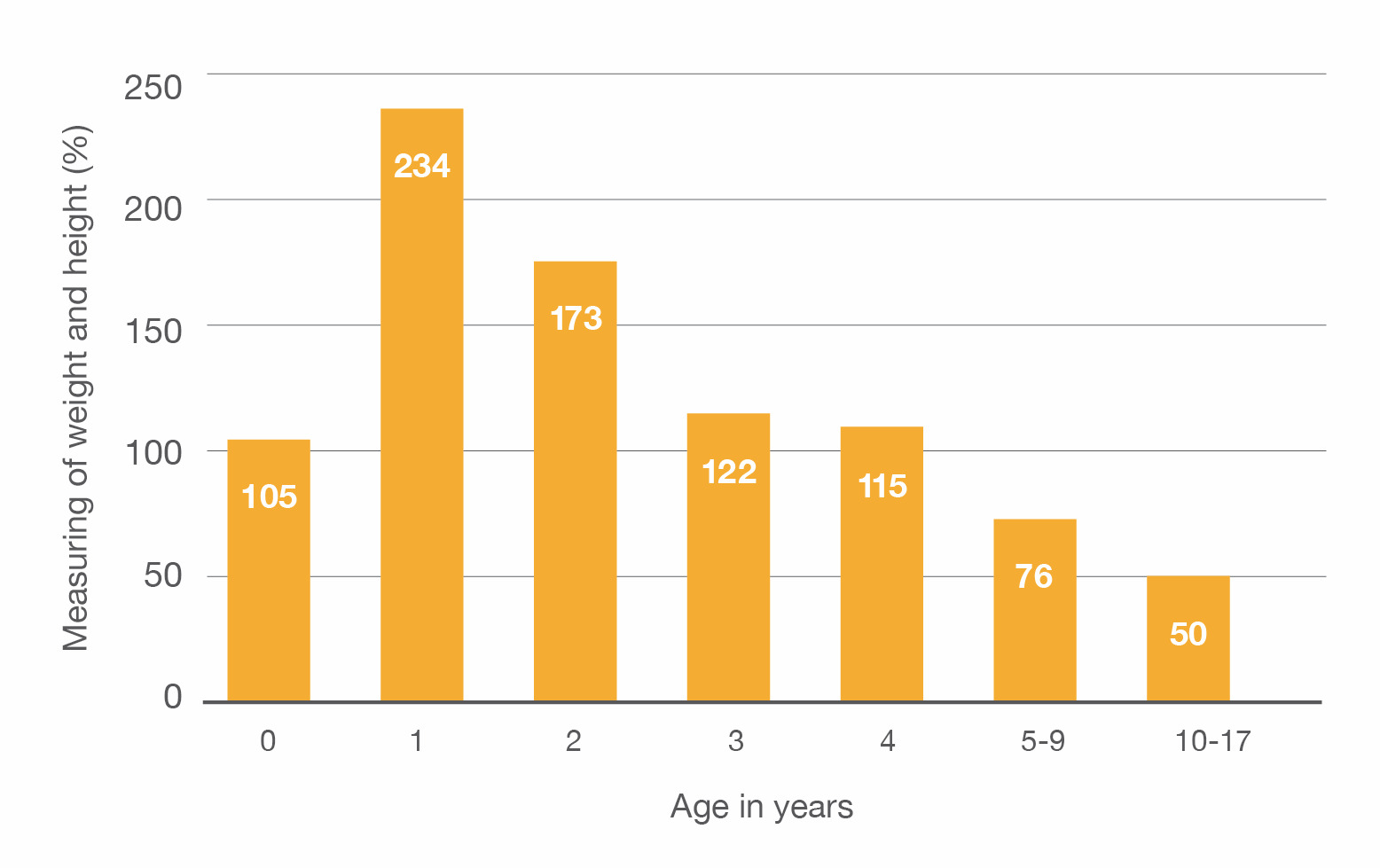
Prevalence of paediatric tube feeding per age category. (adapted from Krom et al., 2019) 34
ETF is used to support children in the community with a wide variety of conditions
As for adults, HETF is used to support children in the community with a wide variety of medical conditions (see Figure 3.46).
- Data from the BANS report in the UK of new registrations in 2010 were grouped into 4 disease categories: cancer (6%), central nervous system (CNS) & mental health (31%), non-malignant gastrointestinal (GI) (13.8%) and other conditions (49.1%).9
- The results of an Italian survey of Home Artificial Nutrition which included paediatric patients showed that, of the disease categories, oncological disease accounted for 5% of total HETF in children, neurological disease 63%, GI disease 11% and other conditions 21%.10
- Another Italian survey of children receiving HETF at four regional centres showed the main disease areas for which children received HETF were neuro-genetic diseases (52%) and digestive diseases (21%) in the period 2003-2009.36
- An Italian survey on HETF in paediatric patients in 2016 revealed that neurological diseases were the most prevalent indication, accounting for 67% of cases. Gastrointestinal diseases comprised 18%, oncological conditions represented 1%, eating disorders accounted for 9% and other various conditions made up the remaining HETF cases in children. 43
- In 2007 the Register of Pediatric Outpatient and Home Enteral Nutrition (NEPAD) in Spain had recorded the following disease categories: neurological diseases 28.3%, oncological disease 17.9%, gastrointestinal diseases 15% and other conditions 39%.35
- In a Polish survey of 525 paediatric HETF patients, in most cases, HETF was prescribed due to neurological disorders (64.2%).37
- A national Irish survey showed that cerebral palsy (18.9%), cystic fibrosis (13.5%), developmental delay (13.5%) and chromosomal or metabolic disorders such as Cri du Chat (24.3%) were the most common underlying pathologies in a sample of 37 children receiving HETF.23
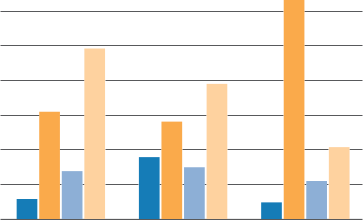
Diagnostic groups of paediatric patients receiving HETF from three national surveys
ᵃData from BANS is based on new registrations only. ᵇData from Spain includes a small number of patients receiving oral feeding (96.3% tube feeding, 3.7% oral feeding)
ETF is used to support children of all ages in the community but particularly children under the age of 5 years
- Data from the UK BANS report showed that in 2010, 69% of all newly registered children were less than 2 years old and 80% were 5 years or under. There was an overall trend of children being initiated on HETF at a younger age.9
- In the Register of Paediatric Outpatient and Home Enteral Nutrition (NEPAD) in Spain the average age of children receiving HEN was 3.79 years and the average age at initiation was 19.3 months.35
- Data from an Italian survey of children receiving HETF from four regional centres showed that the vast majority of children were aged 0-5 years (81%) at initiation of HETF, with fewer being in the older age categories (6-10 years 14%; >10 years 5%) between the period 2003-2009.36
- In a Polish survey of 525 paediatric HETF patients the median age of patients receiving HETF in 2010 was 6 years (range: 9 months–18 years).37
- A national survey in New Zealand conducted in 2013 showed a total of 630 children receiving long term ETF of which the largest age category was in the 5–14-year age group (37.4%) followed by the 1–3-year age group (21%).38
- A study conducted on a French sample of 149 paediatric patients receiving HETF between 2009 and 2022 found that the median age of the children was 3 years, with a mean age of 5.2 years. Nearly half of the patients were aged 5 years or younger at the time of initiation of HETF. This age group represented the majority of patients in the study, highlighting that HETF is frequently required in younger children, particularly those under 5, due to underlying medical conditions such as neurological or neuromuscular diseases and prematurity. 44
Most children on ETF in the community live at home with family
- There is little data on the care setting of children receiving HETF, this is probably because it is assumed that the vast majority of these children are cared for at home with a family member/carer being the principal carer. This is supported by data from the UK BANS report which showed that in 2010 only 2 out of 448 new children registered were documented to live in a location other than their own home.9
- Children receiving HETF typically live with family members, not alone. Before discharge, it’s important to assess the family’s ability to manage HETF, including evaluating the home environment for safety. Caregivers, often parents or relatives, must receive thorough training on managing the feeding tube and troubleshooting issues. Studies show that multimedia-based education improves caregiver skills and confidence, ensuring better management of feeding tubes and minimizing complications. This support is key to reducing healthcare visits and ensuring the child’s health at home. 45
Little data exists on the impact of ETF in the community on daily activities in children
Few studies have been conducted to assess the impact of HETF on level of activity/ dependence in a paediatric population probably because of the assumption that children are inherently dependent on a carer anyway. However, when a child is diagnosed with a chronic illness requiring nutritional support at home, this usually involves radical changes in family life, often implying extensive use of healthcare resources and changes in family activity. Better understanding these changes may allow for better targeting of healthcare services for this population.
- In an Irish survey of 37 children receiving HETF, respondents were more likely to report that HETF impacted on completion of activities of daily living “quite a bit’’, or “very much’’ (p = 0.06). However, it is not clear if this response refers to the carer’s or child’s perspective.23
- A study involving 36 caregivers of children with cerebral palsy, aged 9.4 years on average, examined the impact of enteral feeding on family mealtime routines. The findings revealed that, while the overall family situation improved post-gastrostomy tube placement, challenges such as environmental barriers and extended feeding times persisted, affecting mealtime experiences. The study emphasized the importance of tailored support from healthcare professionals to enhance mealtime routines for these families. 46
- Families of children on enteral feeding often develop creative strategies—such as using memory aids, metaphors, repurposed objects, and personalized routines—to integrate feeding into daily life while managing social and emotional challenges. These findings support the notion that, despite the added stress and potential isolation, many families successfully adapt to the demands of enteral feeding and even thrive by using tailored coping mechanisms. This research underscores the importance of equipping parents with both practical tools and emotional support to help them navigate the complexities of home enteral feeding and maintain a balanced family life. 47
Route of feeding
- According to the UK BANS report, 63% of new paediatric registrations were fed via a naso-gastric tube in 2010. The use of naso-gastric (NG) tube feeding is an accepted and routinely used method to offer fluids and nutrition in children and as 80% of new registrations were under 5 years of age, the data suggest that NG feeding is more frequently used in very young children, with many returning to oral feeding.9
- Data from Spain in 2007 show that the majority of HETF paediatric patients were fed using an NG tube (64%), 34% are fed via a percutaneous endoscopic gastrostomy (PEG) whilst less than 2% were fed via the jejunal route. 35
- Italian data from four regional centres shows a similar picture with 59% of children receiving HETF being fed via an NG tube, 38% fed via a gastrostomy and 3% fed via a jejunostomy in the period 1996-2009.36
- In contrast, results from a survey in Poland show that 85.7% of children receiving HETF in 2010 were fed via a gastrostomy tube, whilst only 11.2% were fed via a NG tube.37
- A study on paediatric HETF in Spain, using the NEPAD registry, reported the most common feeding routes used for HETF between 2003 and 2010. Nasogastric tubes were used in 54.7% of episodes, while 35.8% of patients received feeding via gastrostomy. Oral feeding was used in 7.3% of cases, and jejunal access in 2.2%. The study highlighted significant variations in feeding routes based on the child’s pathology. Cyclic feeding was the most common technique, and a feeding pump with a polymeric formula was typically used. 48
The decision to initiate enteral tube feeding (ETF) is usually made when a patient can no longer consume sufficient food orally and, if relevant, attempts to increase oral intake from ONS have been unsuccessful (see Section 2 Figure 2.4 [Patient algorithm NICE 2006]).
Enteral tube feeding may also be initiated when it is unsafe to continue oral intake such as in patients with dysphagia. In the majority of cases, there are clear benefits of the intervention as without it patients would ultimately face death from lack of nourishment.
Ethical aspects of ETF in relation to the available evidence base
The ESPEN Guideline on Ethical Aspects of Artificial Nutrition and Hydration focuses on the ethical considerations surrounding the use of artificial nutrition and hydration (ANH). It emphasizes that ANH is a medical intervention requiring clear indications, therapeutic goals, and the consent of the competent patient. The guideline addresses key bioethical principles like autonomy, beneficence, non-maleficence, and justice in the context of ANH. It particularly stresses the importance of respecting patient autonomy, especially in end-of-life care and palliative settings, and emphasizes careful communication with patients and families. The guideline also explores the ethical dilemmas surrounding withholding or withdrawing ANH, as well as situations like voluntary refusal of nutrition and forced feeding (e.g., in hunger strikes). Additionally, the impact of culture and religion on decisions related to ANH is extensively discussed, reflecting the growing importance of understanding diverse cultural and religious perspectives in increasingly multicultural societies. 49
From a clinical perspective it is clear that enteral tube feeding (ETF) is indicated for particular clinical conditions. Its value is generally undisputed in patients who are likely to recover from a period of unconsciousness or in those who have swallowing difficulties but otherwise are in good health or have a good quality of life. Because of the value of ETF in sustaining life it is often considered unethical to withhold treatment. This also means undertaking randomised controlled trials, whereby one group of subjects are randomised to receive ETF whilst the other group don’t, would also be considered to be unethical. Randomised controlled trials using ETF therefore tend to focus on other aspects of enteral nutrition (EN) treatment such as feed composition, mode of feed delivery, route of access and timing of EN. As a result, the evidence base for ETF tends to be restricted to outcomes from studies in these specific areas often undertaken in hospitalised patients.
Data on the benefits of ETF in children are lacking. Studies are difficult to undertake in this population for the same ethical reason as in adults i.e. randomisation to a control group, receiving no ETF would be unethical. It is also challenging to recruit a homogeneous group of ETF children into a study due to small numbers. The data that does exist tends to focus on children with cystic fibrosis and children with neurological disorders who represent some of the larger groups of ETF children.
A key systematic review of the evidence base for ETF in hospital undertaken by Stratton et al in 2003 included 74 trials (n = 2769) of which only 45% were RCTs (33 trials, n = 1358). Many had low Jada scores and small samples sizes. In the same review, but for ETF in the community, 47 trials (n = 1321) were included of which <1% were RCTs (3 trials, n = 52).
The majority of trials reviewed were small non-randomised trials, partly due to the ethical difficulties of withholding or withdrawing ETF in patients with severe chronic disease, for whom ETF is usually the sole or predominant source of nutrition.50
The following section provides an overview of the evidence base, reflected mainly by meta-analyses of studies.