3.1.1 Nutritional benefits of ONS
3.1.1.1 NUTRITIONAL INTAKE
 ONS increase total energy intake in adult hospital patients
- A comprehensive systematic review of trials in the hospital setting (58 trials, 34 RCTs, 25 [74% of the total RCTs] assessed intake with ONS) indicated the efficacy of ONS in increasing total energy intake in a variety of patient groups: patients with COPD, older people, post-surgical patients, orthopaedic patients, patients with liver disease, and patients with cancer.2
- The effect was observed regardless of whether the mean BMI of the group was < 20 kg/m² or > 20 kg/m²; however, it was more noticeable in malnourished individuals or those at risk of malnutrition.3
- Significantly increased energy intake (560 kcal vs 230 kcal; p < 0.05) was observed in moderately and severely malnourished patients randomised to receive ONS and dietary counselling (n = 104) compared with a control group who received the standard hospital diet and dietary counselling (n = 103) for 12 weeks.4
- In hospital patients, ONS have been shown not to substantially reduce food intake, and in some patient groups (e.g., post-surgical patients), ONS even appear to stimulate appetite and food intake (see Figure 3.2).5
- Although the usefulness of ONS in acute illness settings has been debated in the past, new research indicates that, with the right clinical supervision, ONS can still enhance nutritional outcomes and energy intake in critically ill patients.6
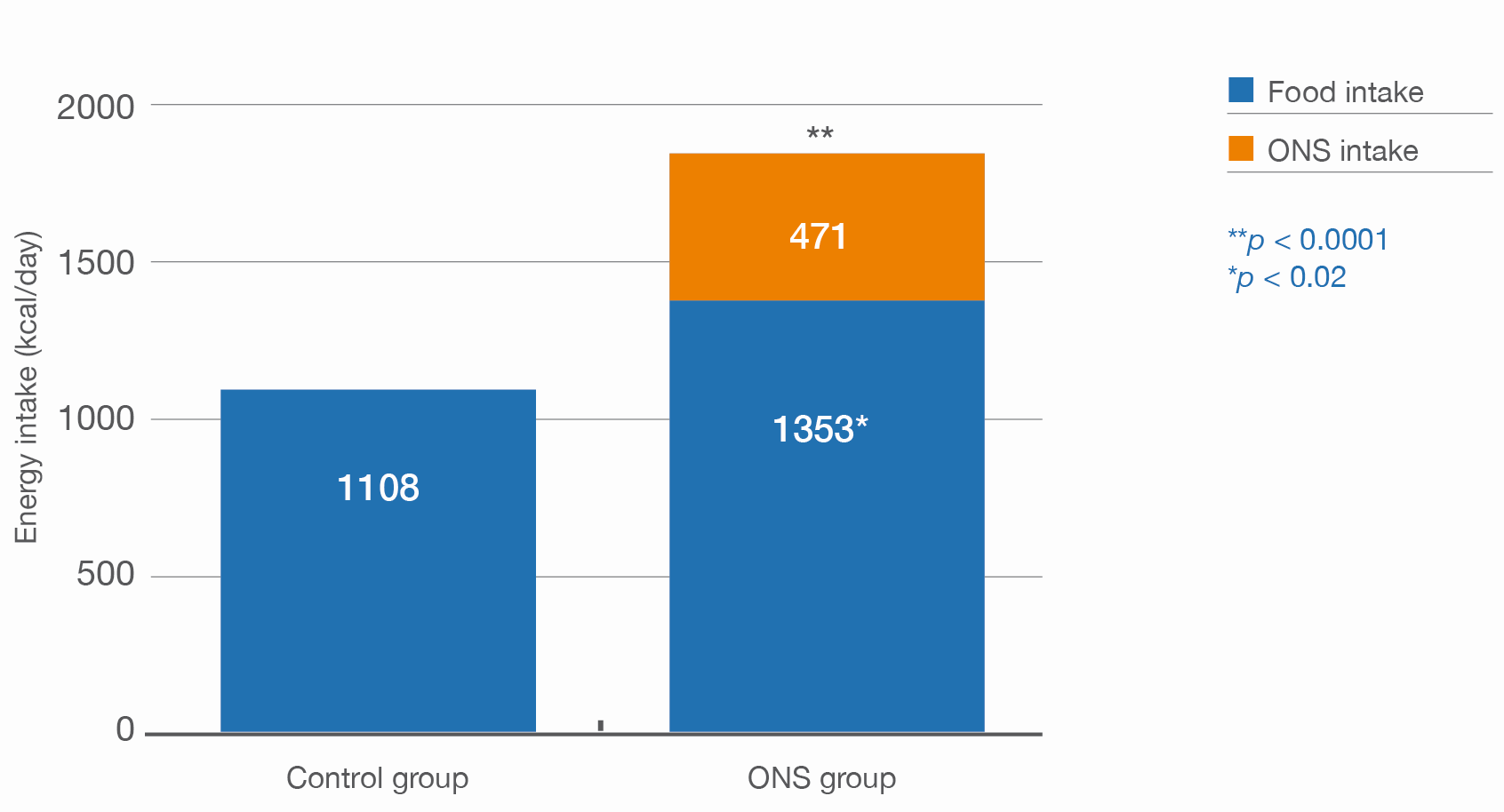
Higher total food and energy intake in hospitalised post-surgical patients with ONS (adapted from Rana et al. 1992)5
**Significant increase in total energy intake, p < 0.0001;
*significant increase in intake from ward diet, p < 0.02.
 ONS increase total energy intake in adult patients in the community
- In a systematic review of patients in the community setting (108 trials, 44 RCTs, n = 3747, the effect of ONS on energy intake was assessed in 32 RCTs), ONS increased total energy intake across a variety of patient groups: patients with COPD, older people, patients with cystic fibrosis, patients with Crohn’s disease, patients with HIV, surgical patients and patients with liver disease.2 In the RCTs assessing energy intake (n = 29), 91% showed improvements, of which > 70% were significant. The mean increase in total energy intake was equivalent to 69% of the ONS energy, although there was wide variation across the studies. The increase was greater in studies of patients with a mean BMI of < 20 kg/m² than > 20 kg/m².2
- A systematic review of the effects of oral nutritional intervention in care homes using ONS (3 RCTs [n = 196]) showed improvements in energy intake (mean difference 123 kcal [95% CI 92–154 kcal], p < 0.0001). 7
- More specifically, ready-to-drink, high-protein ONS formulations are especially helpful for malnourished individuals living in the community, improving their energy intake and weight outcomes. According to a randomised clinical trial in Singapore, as part of the SHIELD (Strengthening Health in Elderly through nutrition) study, older adults at risk for malnutrition who received 180 days of high-protein ONS and dietary counselling had significantly higher weight, BMI, and total energy intake compared to a placebo group. 8
- Cawood et al. undertook a subgroup analysis of 11 RCTs in community patients (n = 672) (in 2 RCTs, ONS commenced in hospital and continued after discharge), which showed significant improvements in total energy intake in patients who received oral nutritional intervention with high-protein ONS versus controls (349 kcal [95% CI 210–488], p < 0.001 random effects model).9
- Additionally, studies show that ONS, when paired with dietary counselling, increases adherence and results in a continuous rise in total energy intake, reinforcing the importance of long-term nutritional strategies for malnourished community patients.6
 High-protein ONS increase total energy intake in adult patients across healthcare settings
- A systematic review and meta-analysis of 12 RCTs in patients across healthcare settings (n = 1242) (2 RCTs in hospitals, 10 RCTs in the community, and 3 RCTs across hospital and community) showed improvements in total energy intake in patients who received oral nutritional intervention with high-protein ONS versus controls in all but 1 trial (see Figure 3.3), and significantly so on meta-analysis (314 kcal [95% CI 146–482 kcal], p < 0.001 random effects model).9
- Further studies demonstrate that high-protein ONS formulations provide greater benefits to malnourished or at-risk individuals. A randomised controlled trial conducted in primary care settings with older malnourished individuals showed that those who received ONS in addition to dietary advice (DA) had significantly higher total calorie intake (+401 kcal/day; p < 0.001) and protein intake (+15 g/day; p < 0.001) than those who received DA alone.3
- Additionally, it was found that high-protein ONS were very beneficial for individuals recovering from surgery as well as those suffering from chronic illnesses like cancer, frailty syndromes, and COPD. Research shows that getting enough protein (≥1.2 g/kg/day) through ONS promotes muscle mass retention, speeds up recovery, and lowers readmission rates to hospitals.10-12
- Finally, high-protein ONS were effective in hospital settings, where supplementation improved post-discharge outcomes, increased overall nutritional intake, and mitigated weight loss. According to a study on malnourished post-discharge patients after colorectal cancer surgery, those who received high-protein ONS had better chemotherapy tolerance (21.2% vs. 36.8%, p = 0.024), a lower prevalence of sarcopenia (28.6% vs. 42.1%, p = 0.040), and a significantly improved skeletal muscle index (39.75 ± 5.83 vs. 38.01 ± 6.18 cm2/m2, p = 0.037) when compared to standard care.13
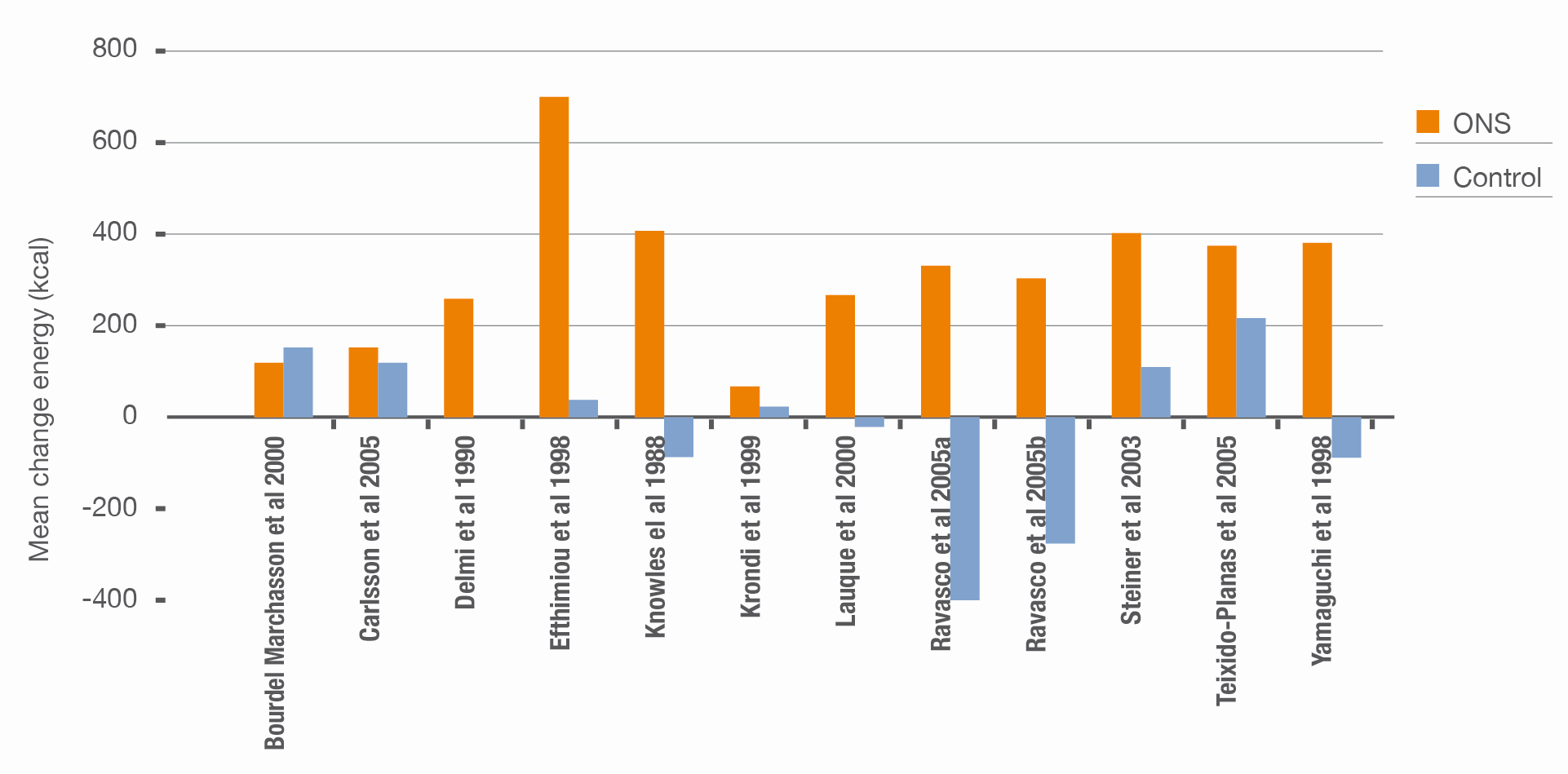
Effect of high-protein ONS vs control on intake of energy (adapted from Cawood et al. 2012). 9
Mean change in intake during intervention period (baseline to end of intervention).
 ONS are effective in increasing energy intake in older people in hospital
- Normally nourished or mildly undernourished older hip fracture patients (n = 60) supplemented with high-protein ONS during hospital admission had significantly higher total energy intake compared with controls (standard or texture modified diet) (p < 0.05).14
- Total daily energy intakes were significantly higher in acutely ill hospitalised older patients (aged >78 years) randomised to receive ONS plus an intense rehabilitation exercise programme (IG, n = 100) compared to a control group who received usual care (CG, n = 100) (1954.4 ±428.9 kcal and 1401 ±363.7 kcal respectively, p < 0.001). Spontaneous intake of hospital food was not reduced by the ONS (percentage of total food consumption during entire hospital stay was 72.8% in IG vs 71.3% in the CG, p = 0.528).15
- During the first 11 postoperative days, hospitalised older patients (>65 years) with hip fracture who received the normal hospital diet and ONS prescribed according to measured energy requirements/intake had a significantly higher mean daily energy intake vs. the control group who were offered the normal hospital diet and ONS if already prescribed prior to the study (p = 0.001). The calculated daily energy balance was significantly more positive in the intervention group (p < 0.05) from days 3 to 10 of the study.16
- An RCT of nutritional support in an acute hospital trauma ward found that patients supported by a dietetic assistant had a mean energy intake of 349 kcal/d greater than the 756 kcal/d achieved by patients receiving conventional nursing care. Of the additional 349 kcal/d, 286 kcal/d (82%) came from ONS.17
ONS are effective in increasing energy intake in older people across healthcare settings
- In a large systematic review of protein and energy supplementation (ONS) specifically in older people (62 trials, n = 10187 randomised participants), a significant increase in total daily energy intake was reported in the majority of studies (variety of inpatient and community settings).18
- A systematic review and meta-analysis looking at the effect of interventions to prevent and treat malnutrition in patients admitted for rehabilitation included 10 studies, 3 of which compared the provision of ONS plus usual meals with usual meals only as the control. These studies found that the consumption of ONS led to significantly greater energy (p <0.01) and protein intakes (p <0.05).19
- The effectiveness of interventions for the treatment of dysphagia and nutritional and fluid supplementation in stroke patients was evaluated in a systematic review including 33 studies, eight of which assessed the effect of nutritional supplementation. Nutritional supplementation (defined as protein and calorie supplements) increased energy (ti = 3; n = 174; MD 430.18 kcal/day; 95% CI 141.61 to 718.75; p = 0.003; I2 = 91%) and protein intakes (t = 3; n = 174; MD 17.28 g/day; 95% CI 1.99 to 32.56; p = 0.03; I2 = 92%) compared to no supplementation.20
- A systematic review and meta-analysis of twelve studies assessing the effect of nutritional supplementation in older adults with dementia at 6.5 ± 3.9-month follow-up when supplements were given compared to the control group (usual care - 8 studies, placebo drink/supplement - 4 studies). Meta-analysis of three studies showed that there were no significant differences in consumption at mealtimes between supplement and control groups (-0.024 ± 0.095 kcal, p = 0.8), suggesting ONS did not have a negative effect on habitual food intake.21
- In a prospective RCT in older patients (> 75 years of age, at risk of malnutrition) investigating the effect of supplementation (n = 35) versus no supplementation (n = 35) throughout hospitalisation and convalescence, spontaneous intake was maintained despite supplementation, i.e., ONS may have stimulated appetite. The spontaneous energy intake (excluding supplements) was calculated for 10 control and 16 supplemented patients, and it was found to be significantly higher in the supplemented group (p < 0.01) (see Figure 3.4).22
- In a RCT involving 811 community-dwelling older adults in Singapore, participants were instructed to consume two servings daily of either ONS containing HMB or a placebo for 180 days. Each serving of the ONS provided 262 kcal, 10.5 g of protein, 8.5 g of fat, 34.2 g of carbohydrates, and 7.75 mcg of vitamin D3. The placebo supplement, in comparison, contained 60 kcal, 1.07 g of protein, 1.21 g of fat, and 11.9 g of carbohydrates per serving. The intervention group showed significantly higher weight, BMI, and mid-upper arm circumference than the placebo group throughout the study and specifically at days 30, 90, and 180 (all p < 0.05). Additionally, the likelihood of improved nutritional status, assessed by the MUST risk score (OR = 2.68, p < 0.001) and vitamin D levels (OR = 4.23, p < 0.001), was significantly greater in the intervention group. Nutrient intake of energy, protein, fat, and carbohydrates was also significantly higher among those receiving the ONS compared to placebo (all p ≤ 0.017).8
- According to a cost-effectiveness analysis conducted in the UK , older adults who used ONS in primary care settings saw a 34% decrease in visits to healthcare providers (p = 0.010), a 50% reduction in emergency hospital admissions (p = 0.026), and a 62% decrease in hospital length of stay (p = 0.031). These findings support the clinical and financial advantages of ONS.10
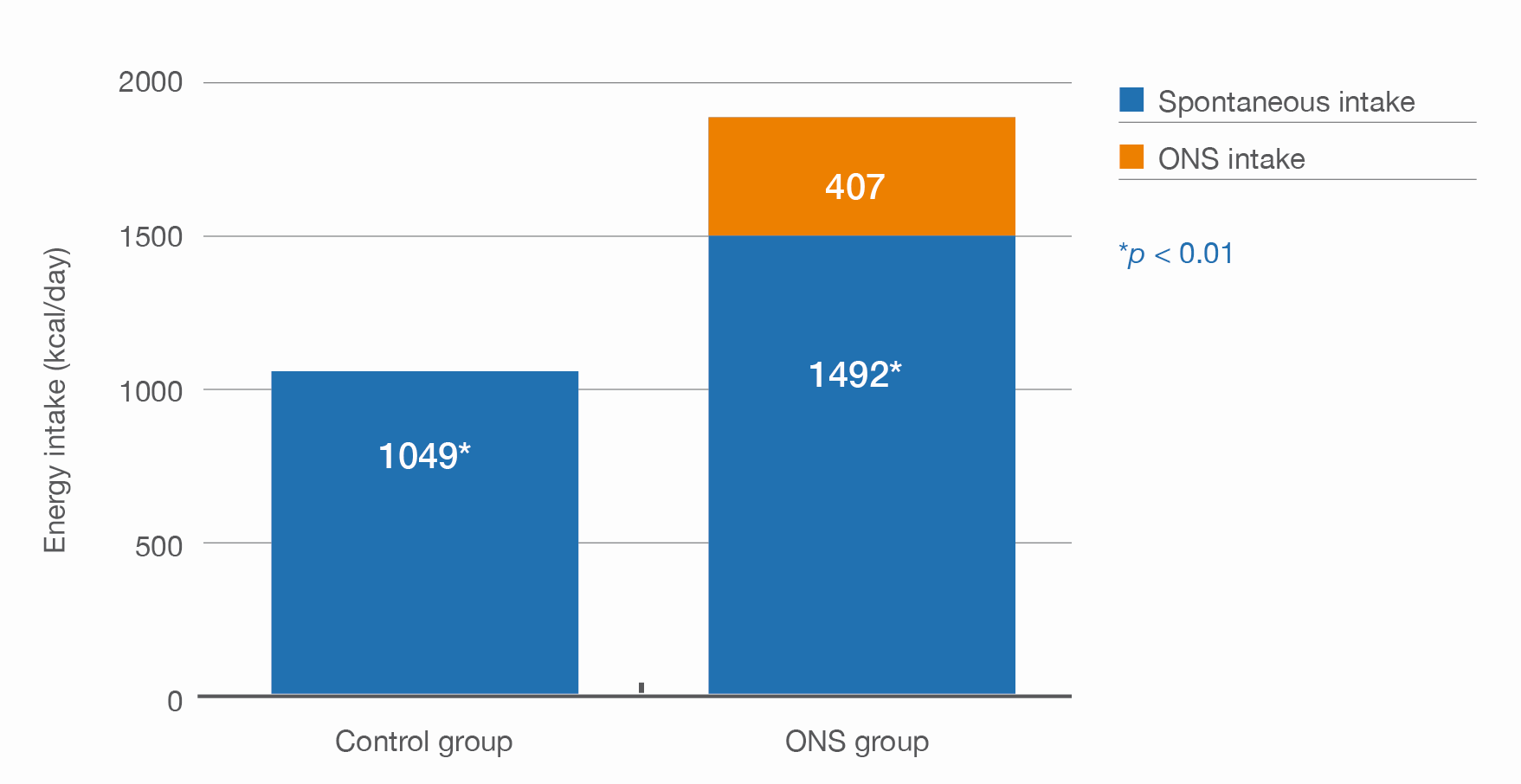
Greater total energy intake with ONS in supplemented group vs control group (adapted from Gazzotti et al. 2003).22
ONS started in hospital and continued in the community; spontaneous intake maintained despite supplementation with ONS (60 days after inclusion in the study; *p < 0.01)
- In an RCT of community free-living frail older people (aged ≥65 years) subjects randomised to receive ONS and dietary counselling (n = 43) for 12 weeks had significant improvements in energy intake compared to controls who were visited monthly (n = 44). The control group did not receive a placebo, ONS or dietary counselling.23
- In a prospective controlled crossover study undertaken in nursing homes in the UK in older patients (>65 years) with dementia (n = 26), Allen et al. found that significantly more energy was consumed on intervention days compared to control days (p < 0.001) (ONS was offered on alternate days for 1 week). No significant difference was found between energy consumed from food on intervention days compared to paired control days (p = 0.641). 55.8% of patients met their caloric goals on intervention days, compared to 17.3% on their adjacent control day (p < 0.0001).24
- According to a systematic review and meta-analysis of ONS usage in older adults with dementia (n = 407), ONS boosted daily energy intake by 201–600 kcal/day without decreasing habitual food consumption. This shows that supplementation enhances energy intake rather than replacing meals.25
- Significant improvements in energy intake with ONS versus usual care have been observed in older patients with Alzheimer’s disease at risk of malnutrition in hospital and day care centres (total energy intake at 3 months was 291 kcal/d greater than at baseline) and in older malnourished patients (≥ 75 years of age) discharged from hospital into the community (significantly greater energy intake in ONS group vs control group, p = 0.022).26,27
- A 12-week randomised, parallel, open-label trial comparing the effectiveness of ONS with dietary advice in care home residents (n = 104) at risk of malnutrition (using ‘MUST’ [medium and high risk]) showed that energy intakes were significantly higher in residents randomised to receive ONS than in residents who received dietary advice (on average by 351 kcal/d). Figure 3.5 shows that consumption of the ONS accounted for the main difference in energy intake.28
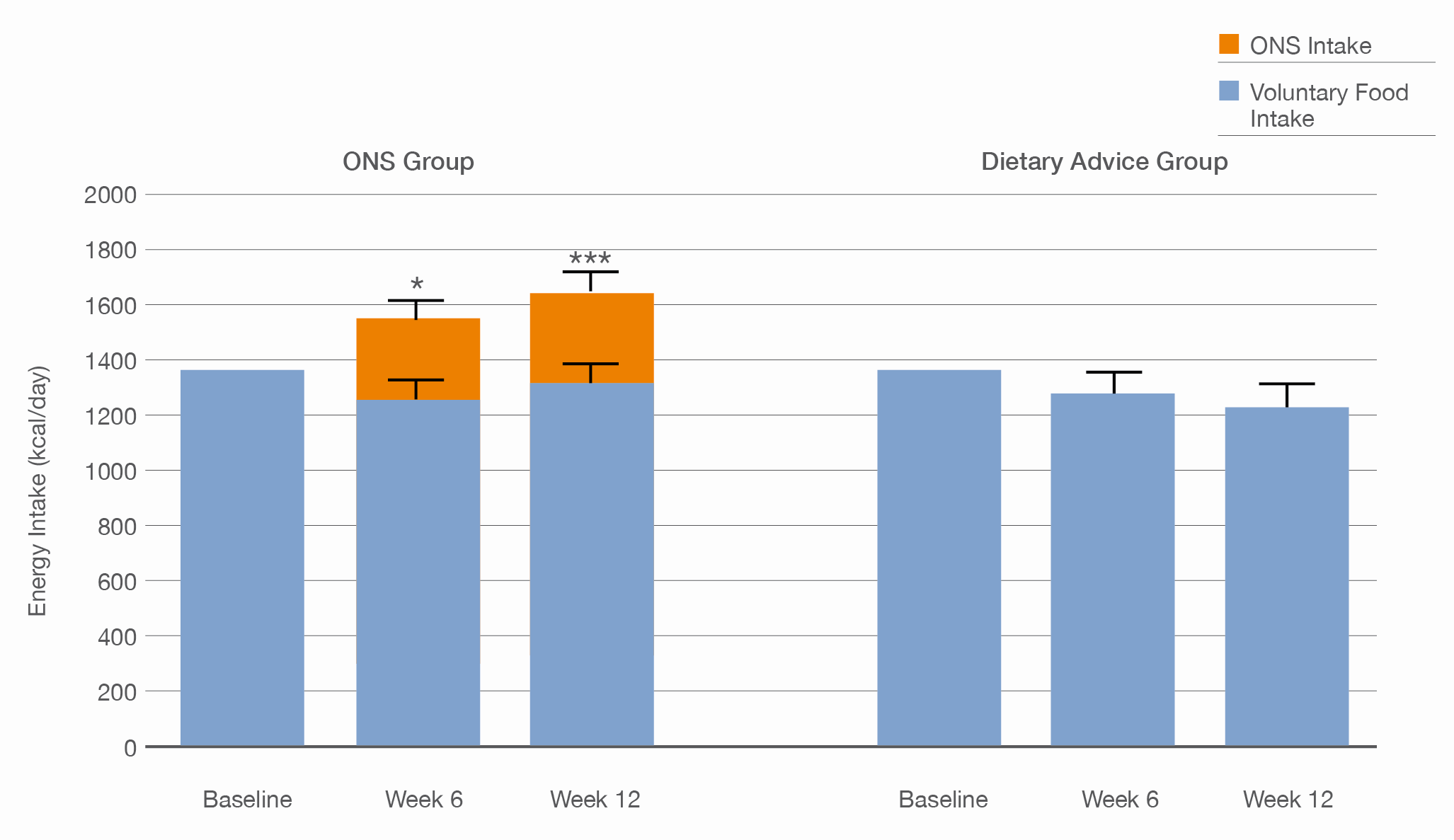
Daily intake (mean ± SE) of energy (kcal/day) in the ONS and Dietary advice groups at week 12, using a per protocol analysis. (Adapted from Parsons et al. 2016)28
The blue bars indicate voluntary food intake and the orange bars intake from ONS. The error bars at the top of the highest point of the 6- and 12-week shaded bars relate to total intake of energy. The 6- and 12-week results are adjusted for baseline intake values, ‘MUST’ category and type of care.*p <0.05 and ***p < 0.001 for the differences between group
 ONS increase energy intake in a variety of diseases in adults and children
- A systematic review of the effect of ONS in community patients, including children by Stratton et al. (2003) concluded that:2
- nutritionally complete ONS can be used as a sole source of nutrition in both adults and children with acute exacerbations of Crohn’s disease. The review also suggested that ONS may increase total energy intake without substantially reducing food intake;
- in undernourished cystic fibrosis patients (adults and children), ONS can increase total energy intake without substantially reducing food intake. The increase in total intake may be equivalent to more than 80% of ONS energy, although large volumes of unpalatable formulations may reduce appetite.
- A systematic review of 4 studies, including children with cystic fibrosis and malignant disease, looked at the effect of protein-calorie supplements (administered orally, in any amount and given for a period of at least one month), compared with no intervention, routine nutritional advice, or placebo. A significant difference in mean total energy intake at six months (mean difference 304.86 kcal/day [95% CI 5.62 to 604.10], p = 0.046) and at 12 months, (mean difference 265.70 kcal/day [95%CI 42.94 to 485.46], p = 0.019) was found to favour the treatment group. No significant differences were found for protein or fat intakes between the treatment and control arms.29
ONS are effective in increasing protein intake in adult patients across healthcare settings
- In a review of trials of ONS versus standard care (hospital and community, malnourished or at risk of malnutrition), NICE (National Institute for Health and Care Excellence) (2006) reported higher protein intakes in the supplemented groups, and that ONS may be more effective in increasing intake than dietary advice.30 Stratton et al. (2003) also reported significant increases in protein intake in patients receiving ONS.2
- A systematic review and meta-analysis of 10 RCTs in patients across healthcare settings (n = 1152) showed improvements in total protein intake in patients who received oral nutritional intervention with high-protein ONS versus controls in all but 1 trial (see Figure 3.6), and significantly so on meta-analysis (22 g [95% CI 10–34 g], p < 0.001 random effects model).9 Similarly, a systematic review on the impact of high-protein ONS in older people (≥65 years) reported that ONS increased protein consumption by an average of 15–40 g/day. Moreover, improvements in muscle mass and handgrip strength were observed over a 12-week period.8
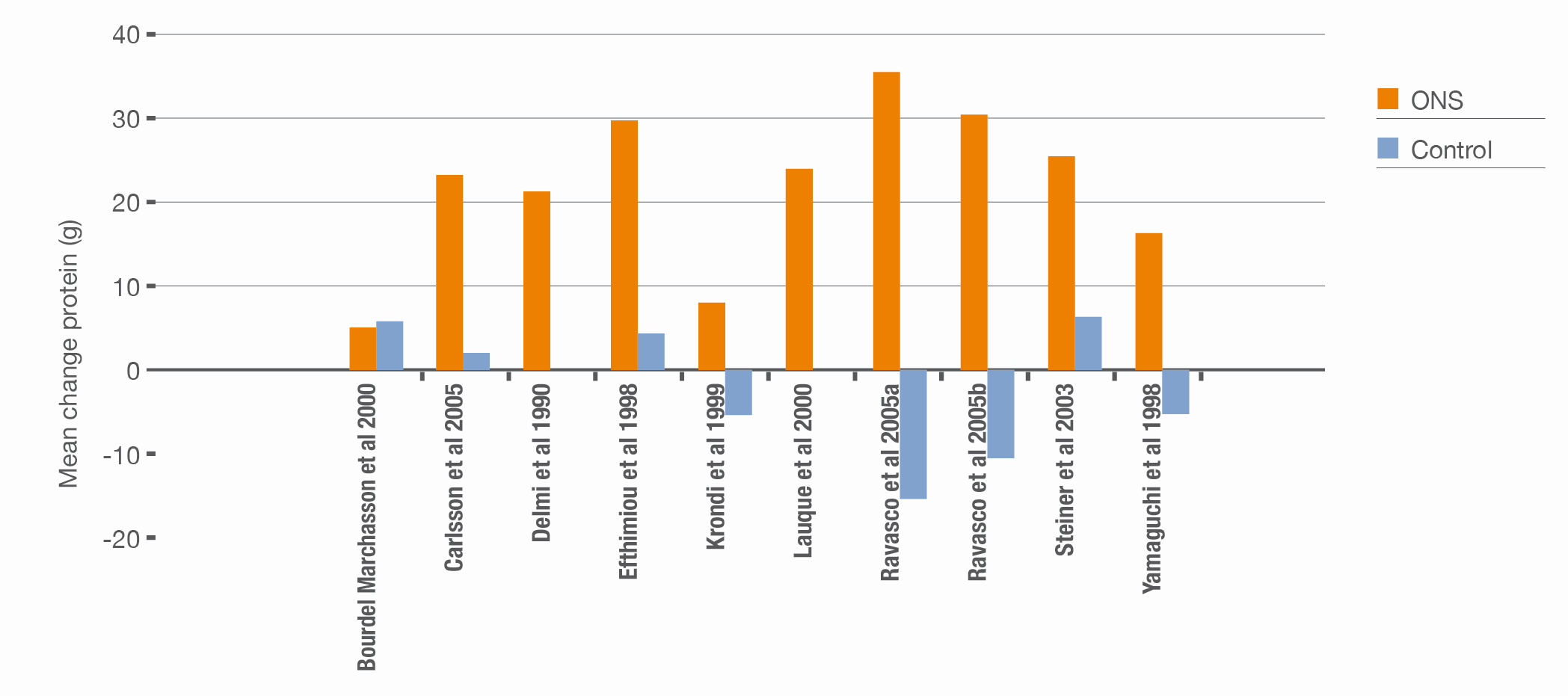
Effect of high-protein ONS vs control on intake of energy (adapted from Cawood et al.) 9
Mean change in intake during intervention period (baseline to end of intervention).
- Malnourished adult community patients with benign GI disease randomised to receive high-protein ONS plus dietary counselling for 3 months, achieved a significantly higher daily total protein intake (57% higher) than patients randomised to receive dietary counselling alone (117.1±34.7 g protein/day vs 74.6±44.6 g protein/day, p < 0.0001).31
ONS are effective in increasing protein intake in older people across healthcare settings
- In a large systematic review of protein and energy supplementation specifically in older people (62 trials, n = 10187 randomised participants), a significant increase in total daily protein intake was reported in the majority of studies (variety of inpatient and community settings).18
- Normally nourished or mildly undernourished older hip fracture patients (n = 60) supplemented with high-protein ONS during hospital admission had significantly higher total protein intake compared with controls (standard or texture modified diet) (p < 0.05).14
- Use of ONS has been demonstrated in clinical trials to significantly increase protein intake in:
- older patients recently discharged home (achieved >80% increase in mean daily protein intake 2 months after hospital admission), (see Figure 3.7);22
- malnourished older patients in hospital (n = 17) compared with controls (n = 6) who received no ONS but careful attention from nursing staff to finish meals (+65% protein intake vs +32%, p < 0.0001);32
- acutely ill hospitalised older patients (>78 years). Total daily protein intakes were significantly higher in the ONS plus intense rehabilitation exercise programme group vs controls who received routine care (p < 0.001);15
- hospitalised older hip fracture patients (>65 years). The intervention group had a significantly higher mean daily intake of protein vs. control group during the first 11 postoperative days (p = 0.001);16
- older patients recovering from hip fracture in a rehabilitation hospital given high- protein supplements (vs standard supplements [63 g vs 50 g protein/d, p < 0.048]);33
- older adults with dementia (aged > 65years). Significantly more total protein was consumed on intervention days vs. control days (p < 0.0001). No difference in protein intake from food was observed on intervention vs. control days (p = 0.576). On intervention days RDA for protein was more frequently met compared to on control days (p < 0.0001);24
- older patients with Alzheimer’s disease at risk of malnutrition in hospital and day care centres (total protein intake at 3 months was 16 g/d greater than at baseline (p < 0.001).25
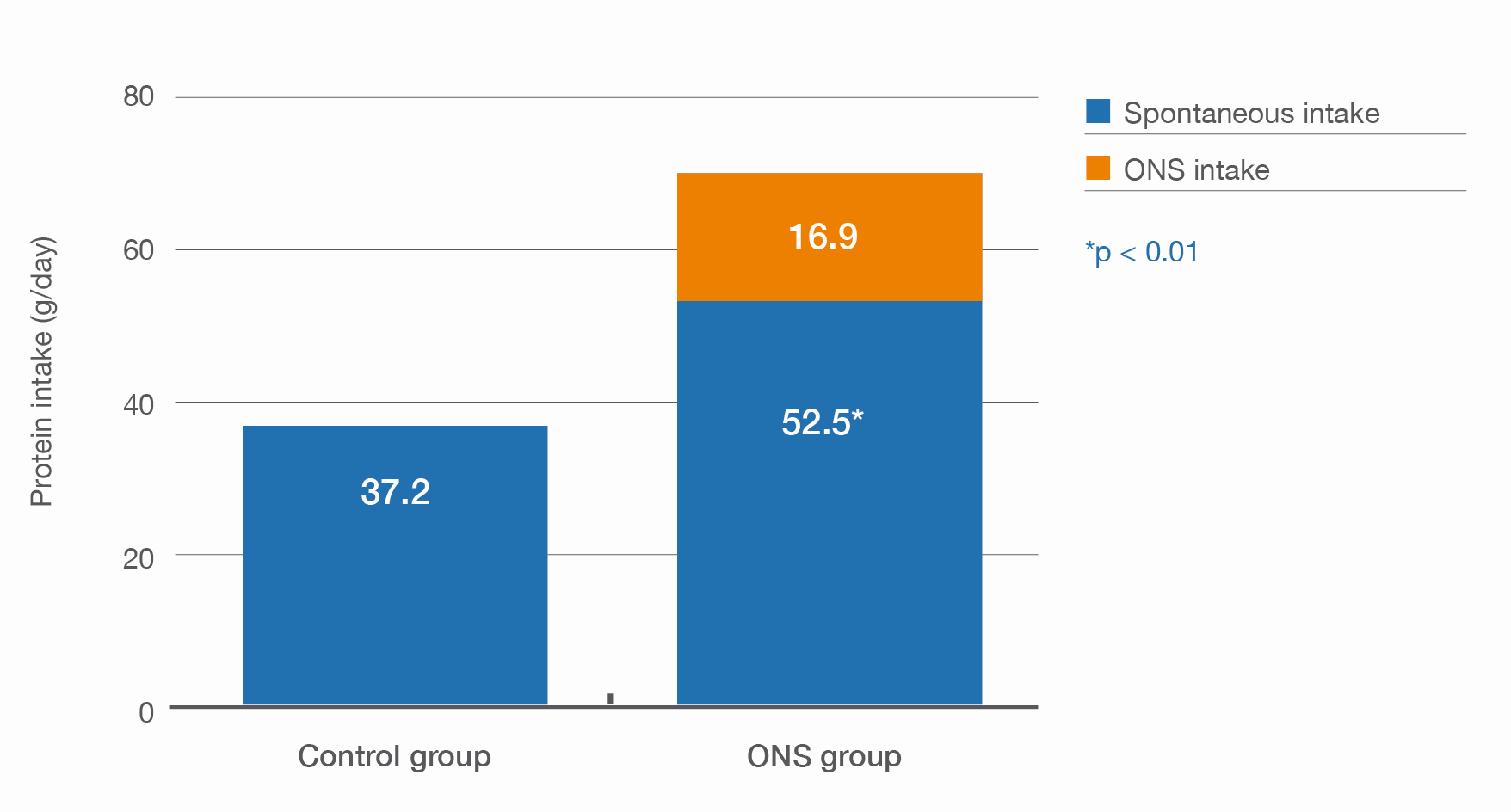
Greater total protein intake with ONS (adapted from Gazzotti et al. 2003). 22
ONS started in hospital and continued in the community in the supplemented group vs the control group (60 days after inclusion in the study; *p < 0.01). Note spontaneous food intake assessment based on n = 10 in control group and n = 16 in ONS group.
- A randomised, parallel, open-label trial comparing the effectiveness of ONS with dietary advice in care home residents (n = 104) at risk of malnutrition (using ‘MUST’ [medium and high risk]) showed that protein intakes were significantly higher in residents randomised to receive ONS than in residents who received dietary advice (on average by 12.2g protein/ day) (see Figure 3.8).28
- According to a systematic review on dementia patients, ONS improved body weight and muscle mass and raised daily caloric intake by 201 to 600 kcal. However, no noticeable impacts on cognitive performance were detected.25
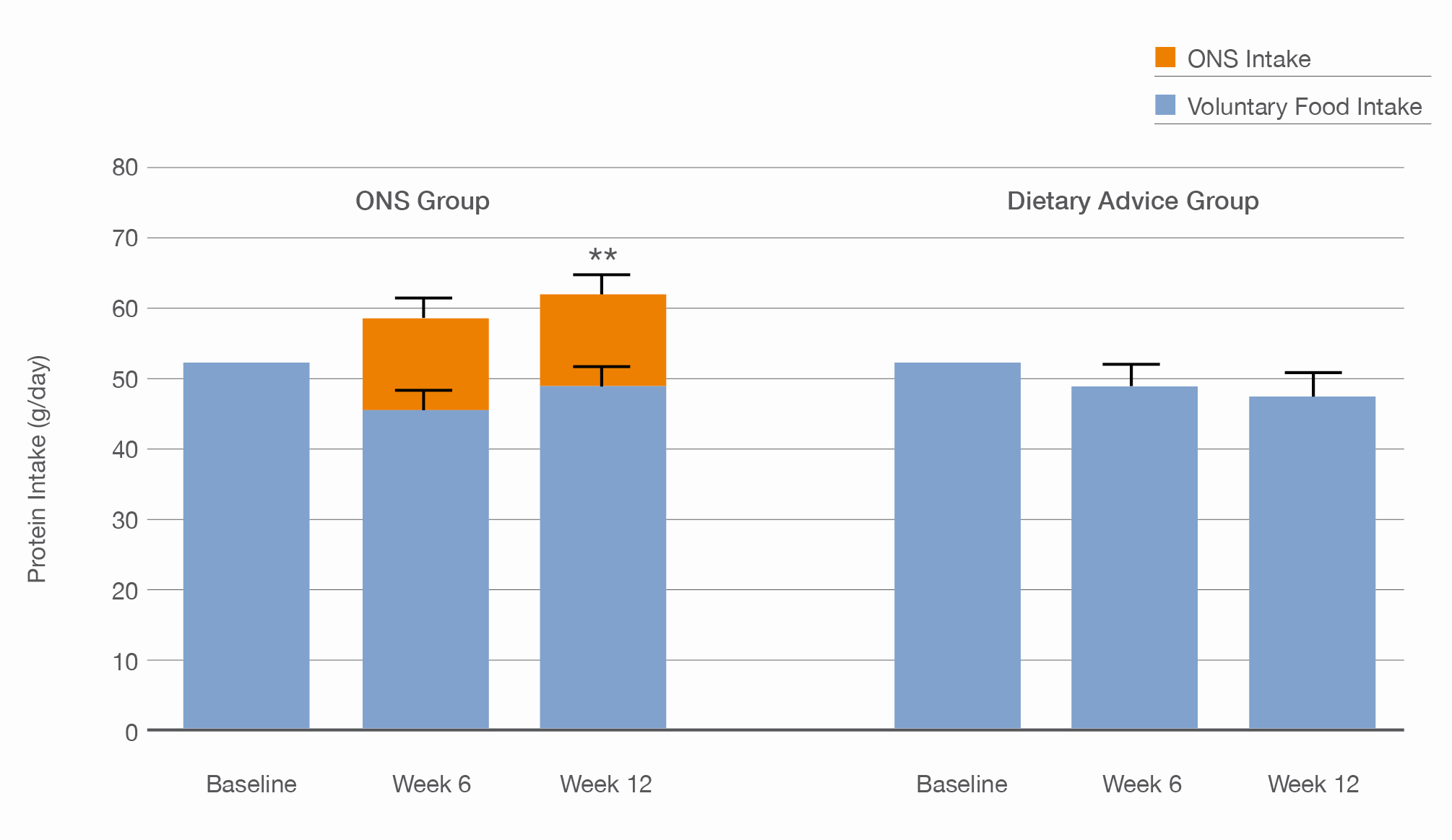
Daily intake (mean ± SE) of protein (g/day) in the ONS and Dietary advice groups at week 12, using a per protocol analysis. (Adapted from Parsons et al. 2016). 28
The blue bars indicate voluntary food intake and the orange bars intake from ONS. The error bars at the top of the highest point of the 6 and 12 week shaded bars relate to total intake of protein. The 6 and 12 week results are adjusted for baseline intake values, ‘MUST’ category and type of care. **p < 0.01 for the differences between groups.
ONS increase micronutrient intakes and can be more effective than food snacks or dietary advice
- In a study of older people resident in nursing homes, a non-randomised subgroup analysis (n = 66) showed an increased intake of a wide range of vitamins and minerals in patients who received nutrient-enriched ONS compared with placebos (p < 0.001).34
- A randomised, parallel, open-label trial comparing the effectiveness of ONS with dietary advice in care home residents (n = 104) at risk of malnutrition (using ‘MUST’ [medium and high risk]) found significantly higher intake of a range of vitamins and minerals in residents randomised to receive ONS compared with residents who received dietary advice.28
- Food snacks are often used with the aim of increasing nutrient intake. However, in a trial of hospital patients with fractured neck of femur at risk of malnutrition (screened using ‘MUST’) (n = 50, median age 82 [range 46–97], median BMI 19 [range 12.5–26 kg/m²]) randomised to receive either ONS (300 kcal per serving) or isoenergetic readily available snacks (typical snacks used in UK hospitals include full-fat yogurt, cheese and crackers, cake, and chocolate) ad libitum postoperatively, the ONS group had significantly greater intakes of protein, energy and water-soluble vitamins than the snack group(see Figure 3.9, and Table 3.1).35,36 Although intakes of some vitamins were above the RNI, they fell within safe intakes.
- According to a randomised trial done in China, ONS significantly improved chemotherapy tolerance and decreased skeletal muscle loss and sarcopenia prevalence in post-discharge patients after colorectal cancer surgery when compared to dietary advice alone.13
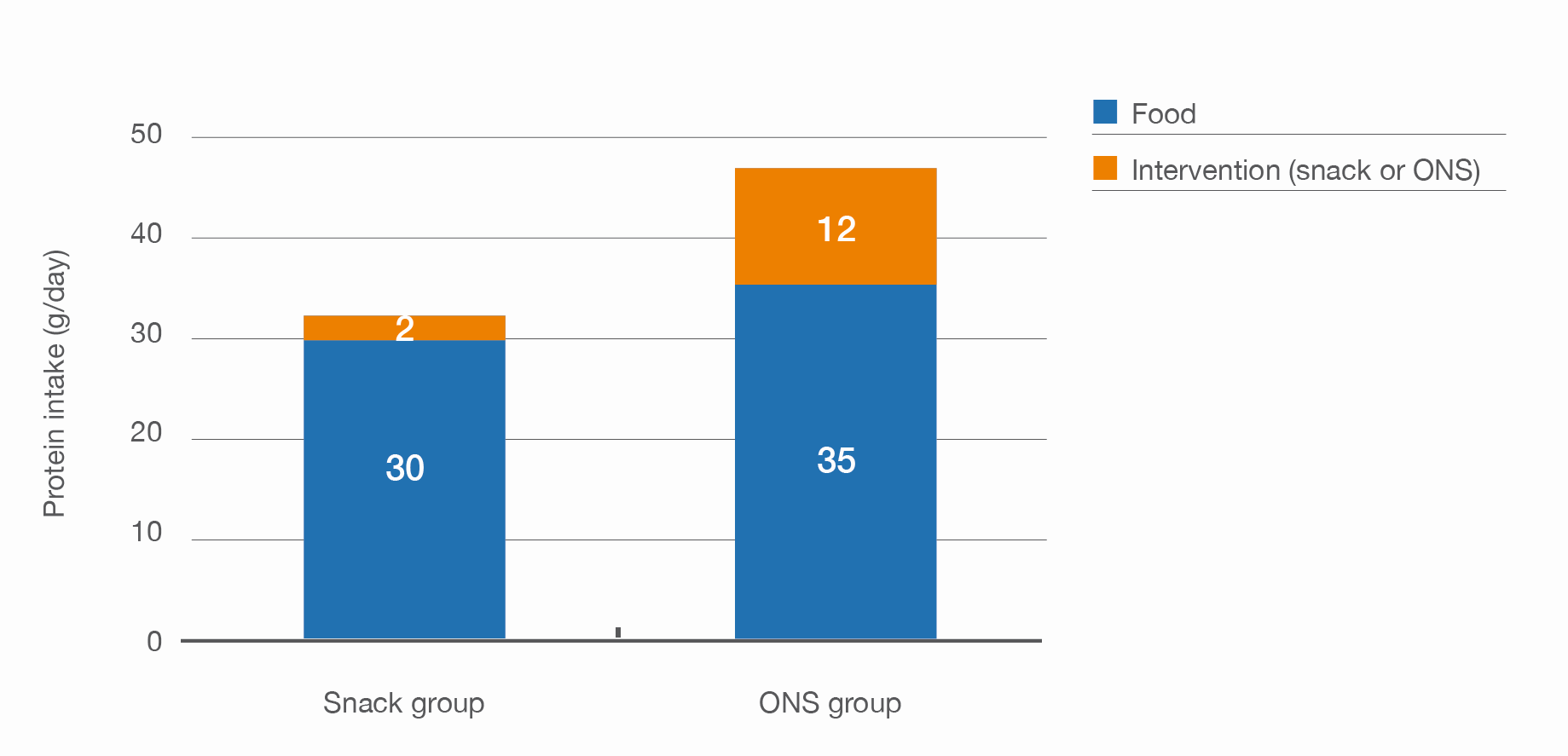
Greater total protein intakes with ONS vs isoenergetic food snacks (adapted from Stratton et al. 2006) 35
Greater total mean intakes of water-soluble vitamins with ONS vs isoenergetic food snacks (adapted from Stratton et al. 2006) 36
| VITAMIN | SNACK GROUP (n = 24) MEAN | ONS GROUP (n = 26) MEAN SD | ||
|---|---|---|---|---|
| MEAN | SD | MEAN | SD | |
| Thiamin (mg/d) | 0.73 | 0.38 | 1.59* | 1.36 |
| Riboflavin (mg/d) | 0.98 | 0.49 | 1.80* | 1.24 |
| Vitamin B6 (mg/d) | 0.84 | 0.41 | 1.60** | 0.75 |
| Folate (μg/d) | 108.00 | 49.60 | 221.00** | 110.00 |
| Niacin (mg/d) | 7.98 | 4.73 | 15.80** | 7.72 |
| Vitamin C (mg/d) | 37.40 | 20.10 | 77.00** | 41.10 |
Mean total intakes for the ONS group were significantly higher than those for the food snack group (unpaired t test): *p < 0.004, **p < 0.0005. Intakes of biotin and pantothenate for the ONS group were significantly higher than those for the food snack group (p < 0.0005) (data not listed in Stratton et al. 2006).36